Gorilla Trekking Rules and Regulations in Uganda, Rwanda and Congo
Gorilla trekking is one of Africa’s most exclusive and emotional wildlife experiences. It gives visitors a rare chance to meet endangered mountain gorillas in their natural rainforest home. Because gorillas are highly intelligent, social, and closely related to humans, strict rules and regulations guide every trekking experience.
These rules are designed to protect gorilla families from stress and disease, reduce human impact on their habitat, and keep visitors safe. The regulations are largely the same in Uganda, Rwanda, and the Democratic Republic of Congo (DR Congo) and are enforced by the responsible conservation authorities including Uganda Wildlife Authority (UWA), Rwanda Development Board (RDB), and the Institut Congolais pour la Conservation de la Nature (ICCN).
This guide explains everything you need to know before, during, and after your gorilla trekking adventure.
Gorilla trekking in Uganda, Rwanda, and the Democratic Republic of the Congo (DRC) is one of Africa’s most exclusive and life-changing wildlife experiences. It offers visitors a rare opportunity to observe endangered mountain gorillas in their natural rainforest habitat. Because gorillas are highly sensitive and closely related to humans, strict rules and regulations govern every gorilla trekking safari.
These guidelines are designed to protect gorilla families, minimize human impact, and ensure visitor safety. The rules are harmonised across the three countries and are implemented by conservation authorities, including the
This detailed guide explains everything you need to know before, during, and after your gorilla trekking adventure.
Understanding Gorilla Trekking
Gorilla trekking is one of the most unique and emotional wildlife experiences in the world. It takes place in the dense rainforests of East and Central Africa, mainly in Uganda, Rwanda, and the Democratic Republic of Congo (DR Congo). This activity allows visitors to observe endangered mountain gorillas in their natural habitat while supporting conservation and local communities.
What Is Gorilla Trekking?
Gorilla trekking is a guided forest walk led by experienced park rangers and trackers. During the trek, visitors follow a habituated gorilla family, which means the gorillas are used to the presence of humans and do not feel threatened by them. Habituation takes several years and is carefully managed to ensure the gorillas remain wild and healthy.
The experience begins early in the morning at the park headquarters. All trekkers must report on time for a detailed briefing before entering the forest.
Morning Briefing and Group Allocation
At the park headquarters, rangers provide an important briefing that covers:
- Gorilla trekking rules and regulations
- Safety guidelines while in the forest
- Proper behaviour when near gorillas
- What to expect during the trek
Visitors are then divided into small groups, usually a maximum of 8 people per gorilla family. Each group is assigned a specific gorilla family to track. This controlled system helps reduce stress on the gorillas and protects their natural behaviour.
The Gorilla Trekking Experience
After the briefing, groups enter the forest and begin the trek. The duration of the trek can range from 1 to 8 hours, depending on several natural and human factors:
- The gorillas’ location the previous night: Gorillas move freely and can travel long distances while feeding.
- Weather conditions: Rain can slow movement and make forest paths slippery.
- Forest terrain: Steep hills, thick vegetation, and muddy trails affect trekking time.
- Movement of the gorilla family: Some families move more than others in search of food.
- Fitness level of the group: Rangers adjust the pace to ensure everyone’s safety.
The trek can be challenging, but it is also rewarding. Along the way, visitors enjoy the beauty of the rainforest, learn about plants and wildlife, and listen to ranger explanations about gorilla behavior and conservation.
Encountering the Gorillas
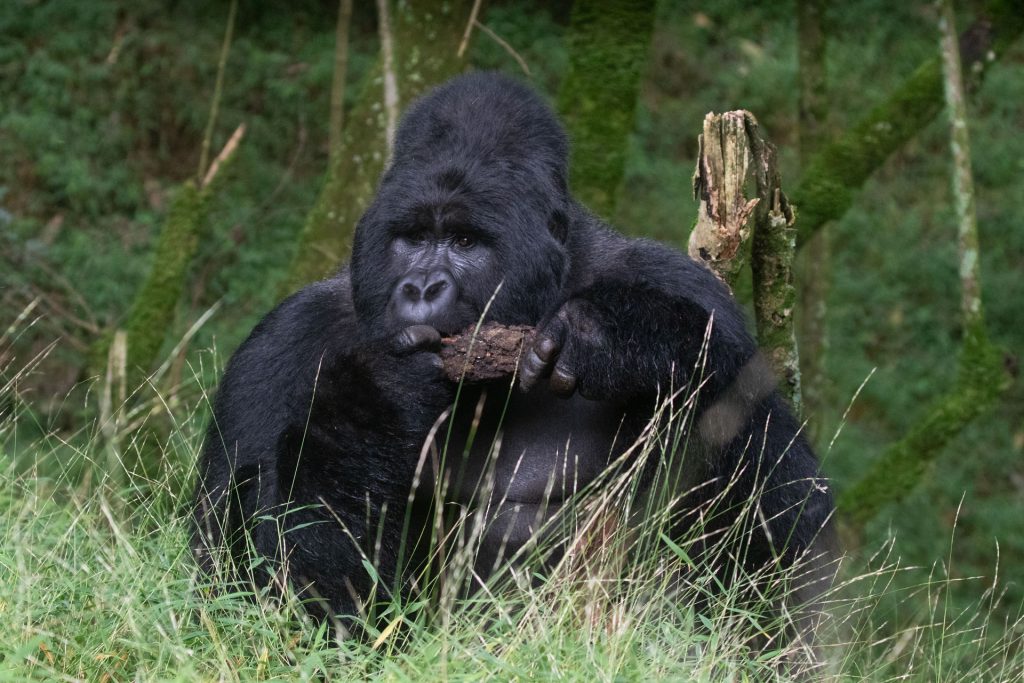
Once the gorilla family is found, visitors are allowed to spend a maximum of one hour with them. This rule is strictly enforced to reduce the risk of stress and disease transmission to the gorillas.
During this time, visitors may see:
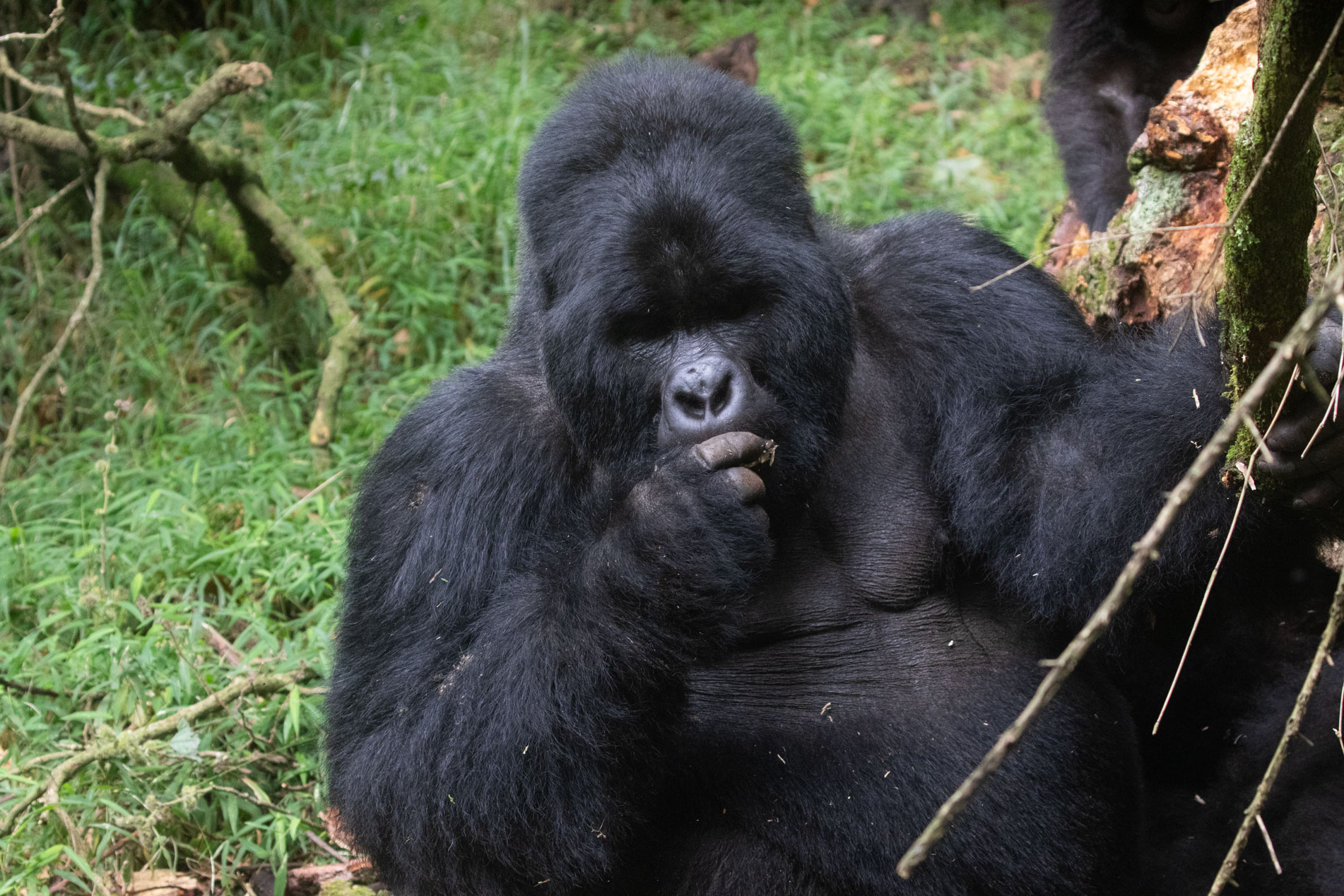
- Gorillas feeding and resting
- Mothers caring for their young
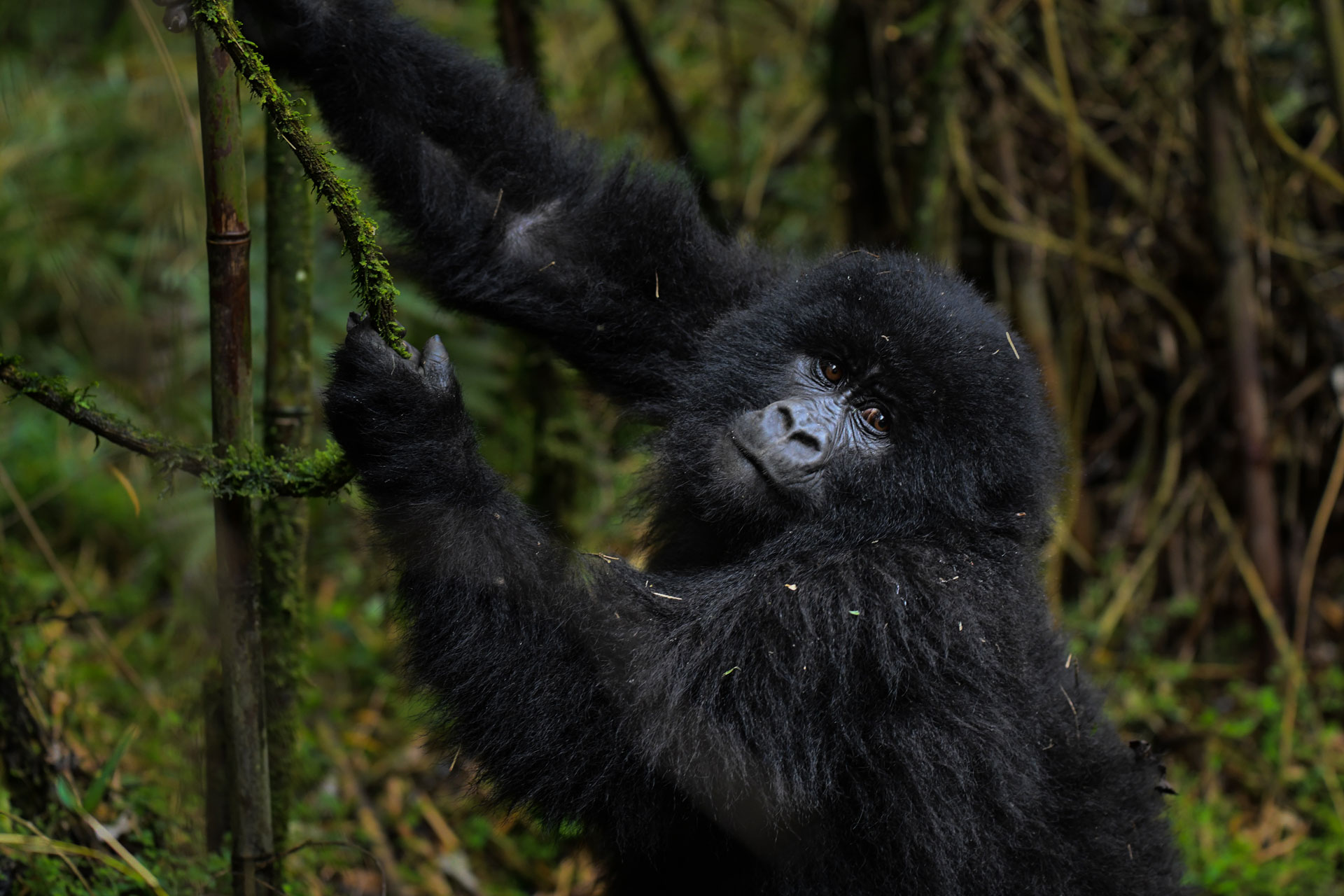
- Juveniles playing
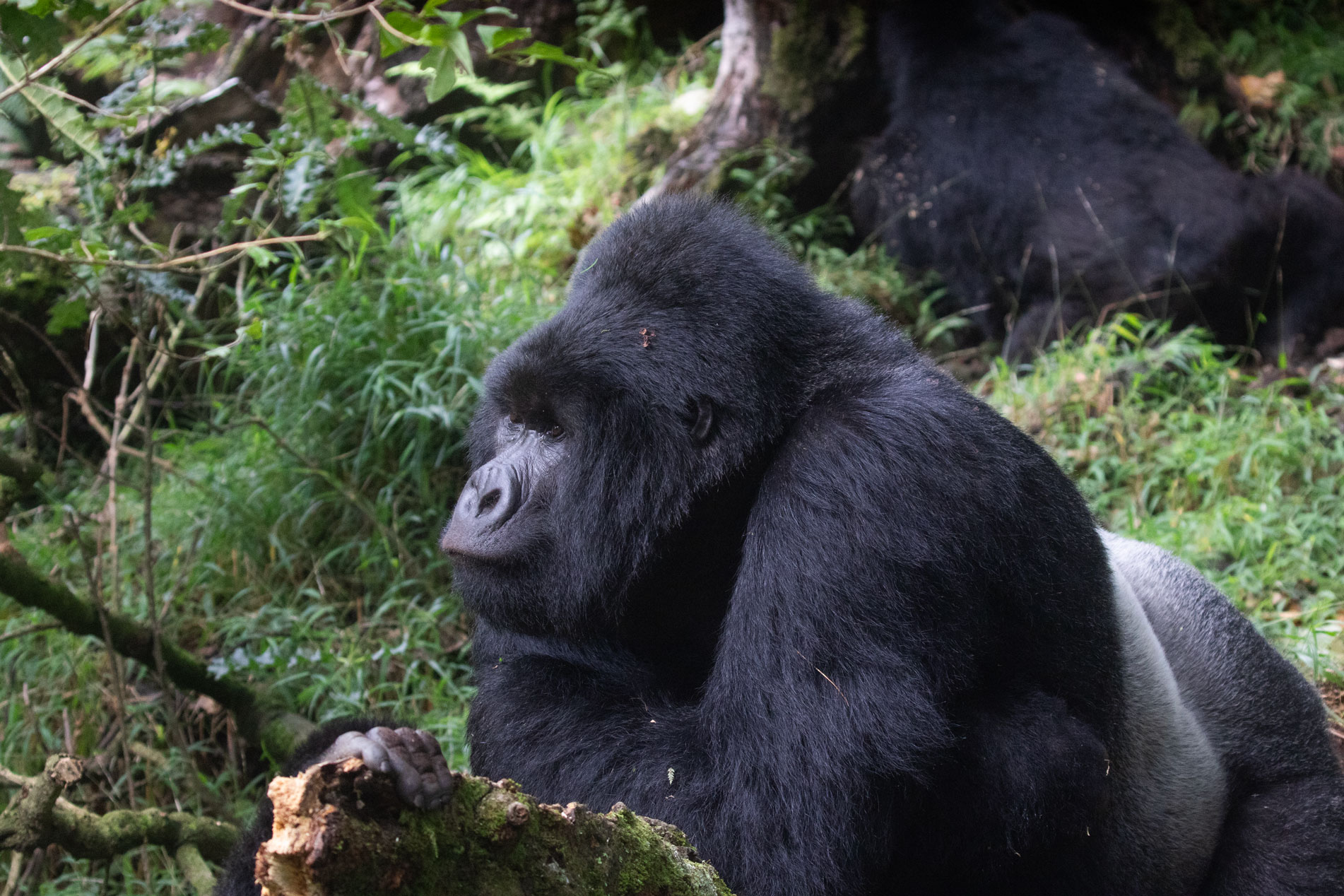
- The dominant silverback watching over the group
This one-hour encounter is often described as life-changing. Being close to these gentle giants creates a deep emotional connection and a strong appreciation for wildlife conservation.
Why the One-Hour Limit Matters
The one-hour limit helps to:
- Protect gorillas from human diseases
- Minimize disruption to their daily routine
- Preserve their natural behavior
- Ensure long-term survival of the species
Even though the time feels short, it is carefully designed to balance visitor experience and gorilla protection.
Gorilla trekking is more than just a wildlife activity. It is a responsible tourism experience that contributes directly to conservation, park management, and community development. By following the rules and respecting the gorillas, visitors play an important role in protecting one of the world’s most endangered species.
This combination of adventure, education, and conservation makes gorilla trekking in East and Central Africa truly unforgettable.
Gorilla Habituation and Visitor Limits
Gorilla trekking is one of Africa’s most powerful wildlife experiences, but it comes with serious responsibility. Mountain gorillas are rare, endangered, and highly sensitive to human presence. To protect them, strict systems such as gorilla habituation, daily visitor limits, and health regulations are carefully enforced in Uganda, Rwanda, and the Democratic Republic of Congo (DR Congo).
Understanding these rules helps visitors appreciate not only the experience but also the conservation efforts that make gorilla trekking possible.
What Is Gorilla Habituation?
Gorilla habituation is a long and delicate process through which wild mountain gorillas slowly become used to the presence of humans. This process is not about taming gorillas or changing their natural behaviour. Instead, it helps gorillas remain calm and stress-free when researchers, rangers, and visitors observe them in the forest.
Habituation usually takes two to three years and is carried out by highly trained trackers, researchers, and conservationists. During this time, small teams follow a gorilla family daily, keeping a safe distance while allowing the gorillas to gradually recognise humans as non-threatening.
Only when a gorilla family shows relaxed behaviour around people is it considered fully habituated. These are the only families that can be visited by tourists on standard gorilla trekking safaris.
This careful process protects gorillas from panic, aggression, or long-term stress and ensures that tourism does not harm their natural way of life.
Habituated Gorilla Families by Country
Each gorilla trekking destination has a limited number of habituated families, depending on forest size, gorilla population, and conservation capacity.
Uganda
Uganda has the largest number of habituated gorilla families. More than 12 families are available for trekking in Bwindi Impenetrable National Park and Mgahinga Gorilla National Park. Bwindi alone hosts several trekking sectors, making Uganda the most flexible destination for gorilla trekking.
Rwanda
Rwanda has about seven habituated gorilla families in Volcanoes National Park. The park is well known for its excellent infrastructure and historical connection to Dian Fossey’s gorilla conservation work.
DR Congo
Virunga National Park in DR Congo is home to several habituated gorilla families. Despite past challenges, Virunga remains one of the most biologically rich parks in Africa and offers authentic gorilla trekking experiences when conditions allow.
The number of habituated families is strictly controlled to balance tourism with conservation.
Daily Visitor Limits and Group Size Control
To protect gorillas from stress and disease, visitor numbers are strictly limited.
Each gorilla family can only be visited by a maximum of eight people per day. This small group size ensures a quiet, respectful encounter and reduces the risk of disturbing the gorillas.
Every visitor must hold a valid gorilla trekking permit, which helps regulate numbers and directly supports conservation efforts and local communities.
During the early morning briefing at the park headquarters, visitors are randomly assigned to gorilla families. This system prevents overcrowding and ensures fair distribution of visitors across different gorilla groups.
Where possible, elderly visitors or those with limited mobility may be assigned gorilla families located closer to the starting point. However, this depends on availability and terrain conditions and cannot always be guaranteed.
Health and Hygiene Rules Before Gorilla Trekking
Mountain gorillas share over 90% of their DNA with humans, making them extremely vulnerable to human diseases. Even common illnesses such as flu or colds can be fatal to gorillas.
For this reason, strict health measures are enforced before entering the forest.
All visitors must wash or sanitize their hands before the trek begins. This simple action greatly reduces the risk of transmitting bacteria or viruses.
Anyone showing symptoms such as flu, fever, cough, diarrhea, or respiratory illness is not allowed to trek. If a visitor feels unwell, park authorities may reschedule the trek or, in some cases, issue a refund according to park policy.
These rules may feel strict, but they are essential. Protecting gorillas from disease is one of the most important conservation challenges today, and responsible tourism plays a major role in their survival.
Gorilla habituation and visitor limits are not just regulations; they are the foundation of successful gorilla conservation. Thanks to these measures, mountain gorilla populations have slowly increased over the years, making them one of the few great ape species showing positive recovery.
By following these rules, visitors become part of a global effort to protect one of the world’s most endangered animals, while enjoying a once-in-a-lifetime wildlife experience that is ethical, respectful, and sustainable.
Rules and Conduct During the Gorilla Trek
Gorilla trekking takes place deep inside protected rainforests, where mountain gorillas live in their natural environment. These forests are not only home to gorillas but also to many other plant and animal species. For this reason, visitors are required to follow specific rules while hiking to ensure safety, conservation, and a respectful experience for everyone.
- As you walk through the forest, it is important to keep your voice low. Loud noise can disturb wildlife and make it harder for rangers to locate the gorilla family. Silence also allows visitors to enjoy the natural sounds of the forest, such as birds, insects, and rustling leaves.
- In some sections of the trail, the ranger guide may ask the group to walk in a single file. This helps prevent damage to vegetation and keeps the group organized on narrow forest paths. Visitors must always stay together and follow the ranger guide, who is trained to read animal behavior and ensure safety throughout the trek.
- Cutting branches, stepping on young plants, or damaging vegetation is not allowed unless instructed by the ranger. Even small plants play an important role in the forest ecosystem. Littering is strictly prohibited, and all waste must be carried out of the forest. This includes food wrappers, tissues, and plastic bottles.
While gorillas are the main attraction, visitors are also expected to respect other wildlife encountered along the way. Birds, monkeys, insects, and small mammals are all part of the ecosystem and should not be chased, touched, or disturbed.
Rangers begin tracking gorillas early each morning, often from the nests where the gorillas slept the previous night. This daily tracking helps protect the gorillas and ensures that visitors meet them in a safe and controlled manner.
Rules When You Encounter the Gorillas
The moment you meet a mountain gorilla family is the most emotional and sensitive part of the entire trek. Gorillas share about 98% of their DNA with humans, making them highly vulnerable to human behavior and diseases. Because of this, strict guidelines must be followed during the encounter.
Distance and Positioning
Visitors must keep a minimum distance of 7 meters (21 feet) from the gorillas at all times. This distance reduces the risk of disease transmission and allows gorillas to feel comfortable in your presence. Staying close to your group is essential, as spreading out can confuse or stress the animals.
If a gorilla moves closer to you, do not panic or step backward suddenly. Remain still and allow the ranger guide to manage the situation. Gorillas are naturally curious, and approaching humans does not always mean aggression.
Behaviour Around Gorillas
- While observing gorillas, visitors must speak softly or remain silent. Sudden movements, loud talking, pointing, or waving arms can be seen as threatening behavior. Running is strictly prohibited and may trigger a defensive response from the gorillas.
- Touching a gorilla is never allowed, even if it comes close. Eating, drinking, or smoking near the gorillas is also forbidden, as food smells and human saliva can attract or harm them.
- Direct eye contact should be avoided, especially with dominant silverbacks. In gorilla behavior, prolonged eye contact can be interpreted as a challenge or threat.
Photography Rules During Gorilla Trekking
- Photography is allowed during gorilla trekking, but it must be done responsibly. Flash photography is strictly prohibited because it can frighten gorillas and disrupt their natural behavior.
- Visitors are encouraged to adjust their camera settings for low light conditions, as the forest canopy limits sunlight. Bringing extra batteries and memory cards is recommended since charging facilities are rarely available in remote trekking areas.
- Photographers should remain mindful of their movements and avoid stepping closer to gorillas just to get a better shot. The best photos come from patience and respect.
What to Do if a Gorilla Charges
Although gorilla charges are rare, they can occur as a protective reaction, especially if a silverback feels that its family is threatened. These displays are usually meant to scare, not to attack.
If a gorilla charges, the most important thing is to stay calm. Do not scream, run, or make sudden movements. Slowly crouch down to appear smaller and less threatening. Avoid direct eye contact and wait for the ranger guide’s instructions.
Ranger guides are highly trained to handle such situations and will communicate calmly with the gorilla until it settles down.
Time Limit With the Gorillas
Visitors are allowed to spend only one hour with a gorilla family. This time limit is strictly enforced to reduce stress on the gorillas and protect their health.
In some cases, the visit may be shorter if the gorillas show signs of discomfort or stress. Once the group leaves the gorillas, visitors must remain quiet until they are at least 200 meters away, allowing the gorillas to return to their normal activities without disturbance.
General Conservation and Health Guidelines
Gorilla trekking is not just a tourist activity—it is a conservation effort. Visitor numbers are limited each day to reduce human impact on gorilla families and their habitat.
- Maintaining the 7-meter distance at all times is critical for health protection. Visitors should cover their mouth when coughing or sneezing to prevent the spread of airborne diseases. Anyone feeling sick is advised not to participate in the trek.
- Leaving food, bottles, or tissues in the forest is strictly prohibited, as waste can harm wildlife and introduce foreign substances into the ecosystem.
Above all, visitors must follow ranger instructions at all times. These rules exist to protect the gorillas, the forest, and the visitors themselves, ensuring that future generations can continue to experience these remarkable animals in the wild.