Best Time for Gorilla Trekking in Uganda
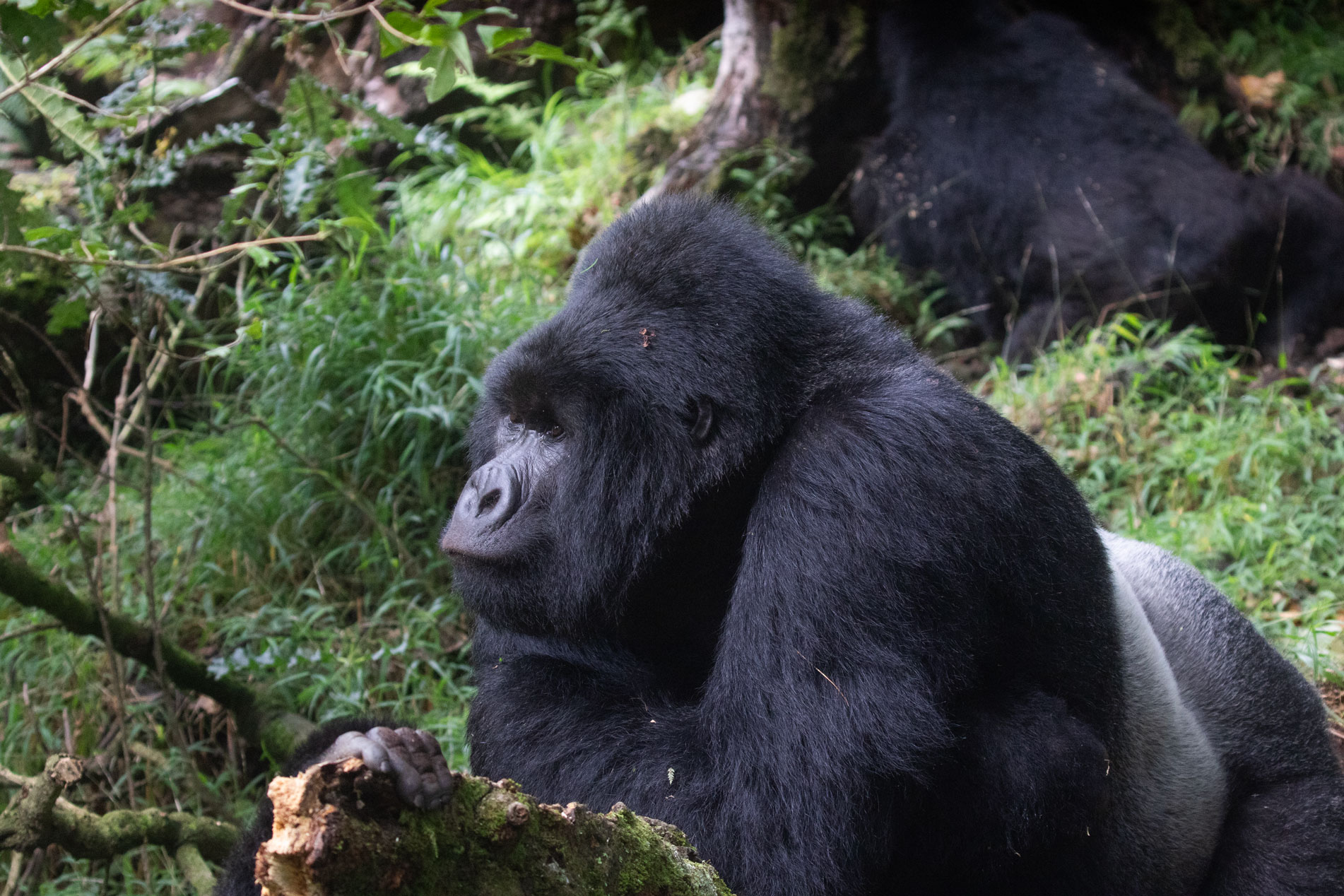
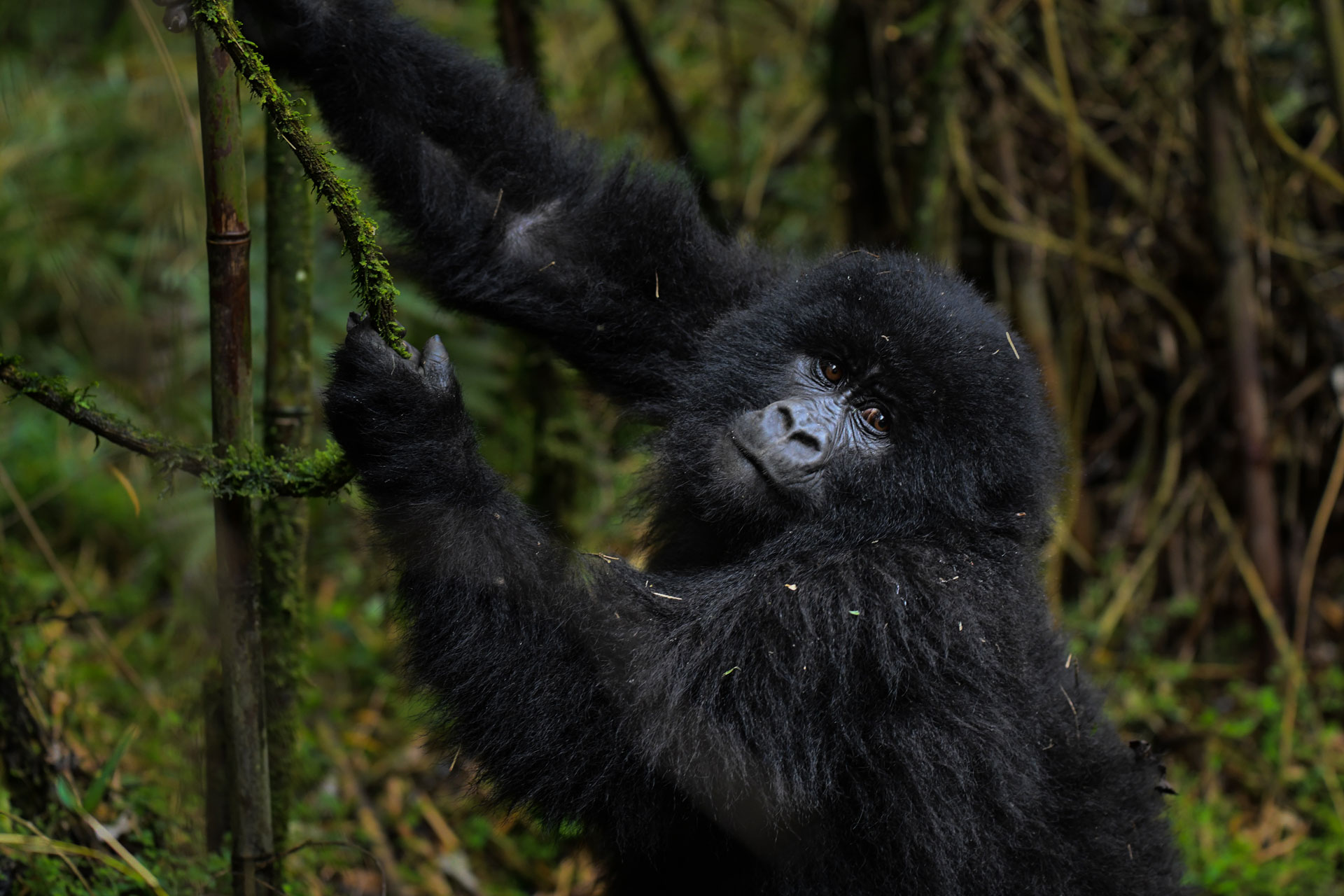
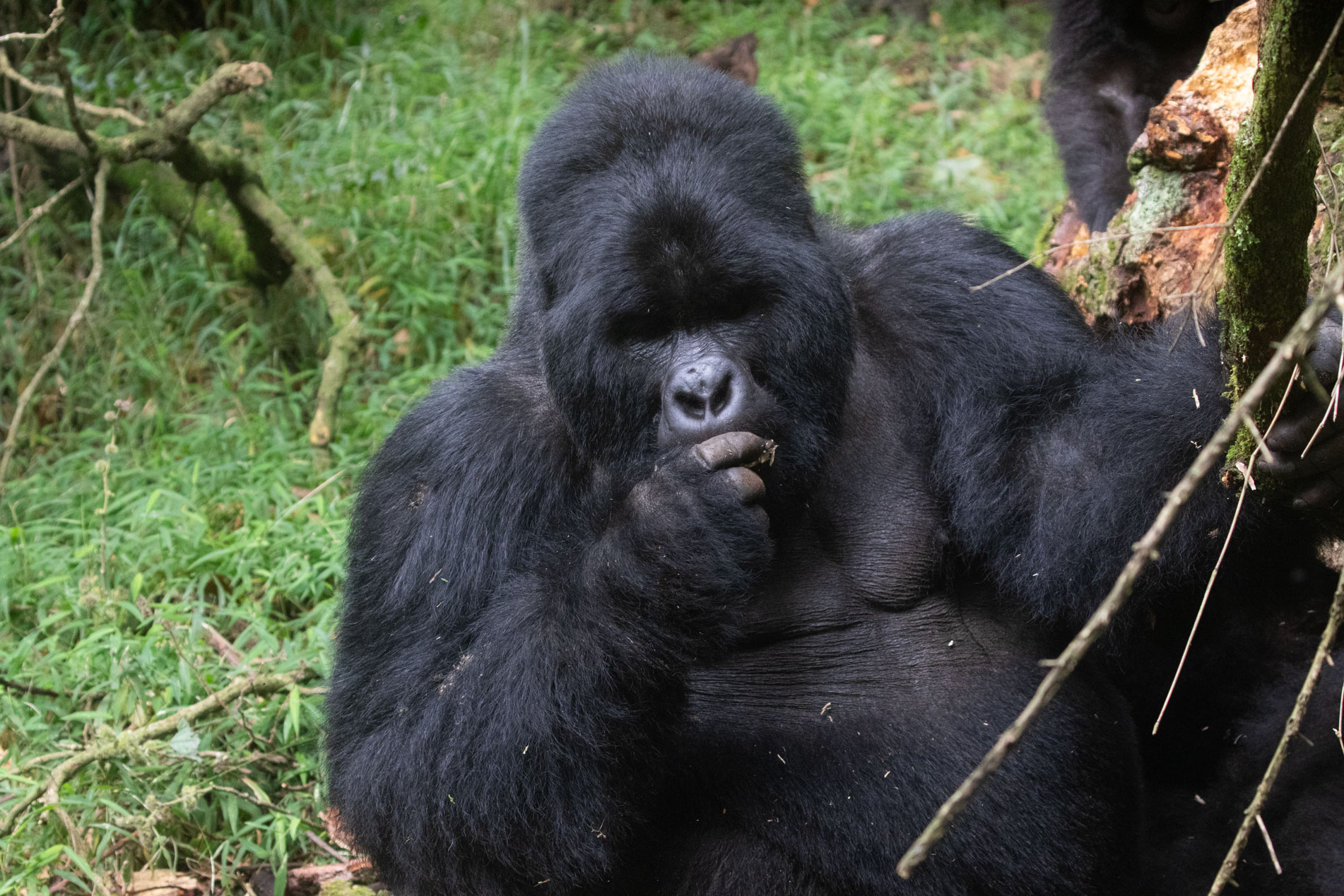
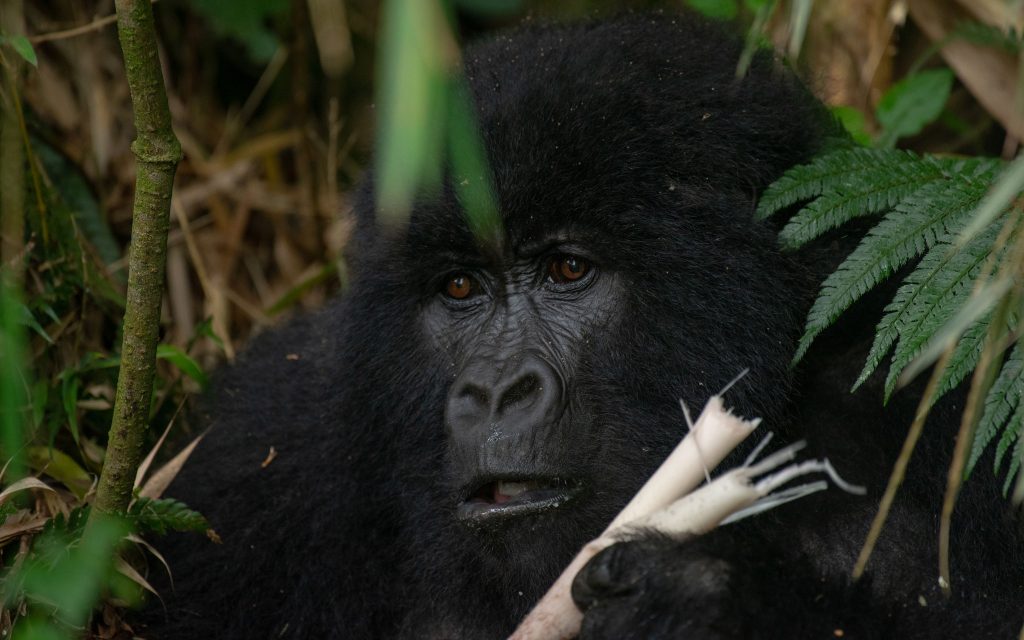
Gorilla trekking in Uganda is one of Africa’s most unique wildlife experiences. It allows you to walk through dense tropical forests and spend a magical hour in the presence of endangered mountain gorillas. Choosing the best time for gorilla trekking is essential to ensure a comfortable, safe, and unforgettable experience.
While Uganda’s tropical rainforest climate means it can rain at any time of the year, certain months are more suitable for trekking due to weather conditions and trail accessibility. Understanding these periods can help you plan your trip better.
Dry Season – The Most Popular Time for Trekking
Best Months:
- January – February
- June – September
These months are widely regarded as the most favorable periods for gorilla trekking. The weather is generally dry, and the forest trails are easier to navigate.
Why the Dry Season is Ideal:
- Easier Trekking on Trails: During dry months, forest paths in Bwindi Impenetrable Forest and Mgahinga Gorilla National Park are less muddy and slippery. This makes the trek physically easier, especially for first-time visitors or those who may not be used to long walks in rugged terrain.
- Comfortable Weather: Lower rainfall means temperatures are more stable, making the forest trek more enjoyable without the discomfort of heavy downpours.
- Better Visibility for Photography: Clearer trails and less mist improve visibility, allowing travelers to take stunning photos of gorillas and the surrounding forest.
- Safe and Comfortable for All Travelers: The reduced rainfall makes trekking safer, which is particularly helpful for families, older travelers, or those with less trekking experience.
Important Considerations During Dry Season:
- Peak Tourist Season: Many travelers choose this period, so gorilla trekking permits are in high demand. To secure your spot, it’s essential to book permits well in advance—sometimes several months ahead.
- Higher Accommodation Costs: Lodges and hotels near gorilla parks tend to charge higher rates during this season due to increased demand.
- Unpredictable Showers: Even in the dry season, Bwindi and Mgahinga’s rainforest climate can bring sudden, short-lived rain showers. Carrying a lightweight rain jacket, waterproof hiking shoes, and a rain cover for your camera or backpack is strongly recommended.
Additional Tips for Planning Your Gorilla Trek
- Book Early: Whether it’s for permits, lodges, or transport, early booking ensures availability and often better rates.
- Pack Wisely: Bring layered clothing to adjust to changing temperatures and humidity. Trekking poles can be helpful for slippery areas.
- Health Precautions: Make sure you are in good physical condition for trekking. Although the dry season is easier, the trek can still be moderately strenuous depending on your gorilla group’s location.
- Photography and Equipment: Dry conditions improve photography opportunities, but humidity can still affect lenses. Keep your camera protected.
Gorilla Trekking Destinations
Gorilla trekking is one of the most extraordinary wildlife experiences in the world, offering travellers a chance to encounter the rare and majestic mountain gorillas in their natural habitat. These gentle giants are found only in the dense forests of East Africa, primarily across Uganda, Rwanda, and the Democratic Republic of Congo (DR Congo). Each country offers a unique trekking experience, shaped by the park’s size, landscape, accessibility, and conservation efforts. Here’s a detailed look at the main gorilla trekking destinations:
Uganda
Uganda is often called the “Pearl of Africa” for its rich biodiversity and lush landscapes. The country hosts the majority of the world’s mountain gorilla population, making it one of the top destinations for gorilla trekking.
Bwindi Impenetrable National Park
Bwindi Impenetrable National Park is Uganda’s most famous gorilla trekking destination and a UNESCO World Heritage Site. Covering approximately 321 square kilometres, Bwindi is a dense rainforest with a unique mix of flora and fauna. The park is home to over 900 mountain gorillas, divided among multiple habituated families that trekkers can visit under strict conservation rules.
Trekking in Bwindi is often physically demanding due to its steep slopes, thick vegetation, and unpredictable weather, but the reward is unparalleled—the opportunity to spend up to an hour in the presence of mountain gorillas. In addition to gorillas, the park is a haven for birdwatchers, hosting more than 350 bird species, and you may encounter other primates like chimpanzees, black-and-white colobus monkeys, and golden monkeys.
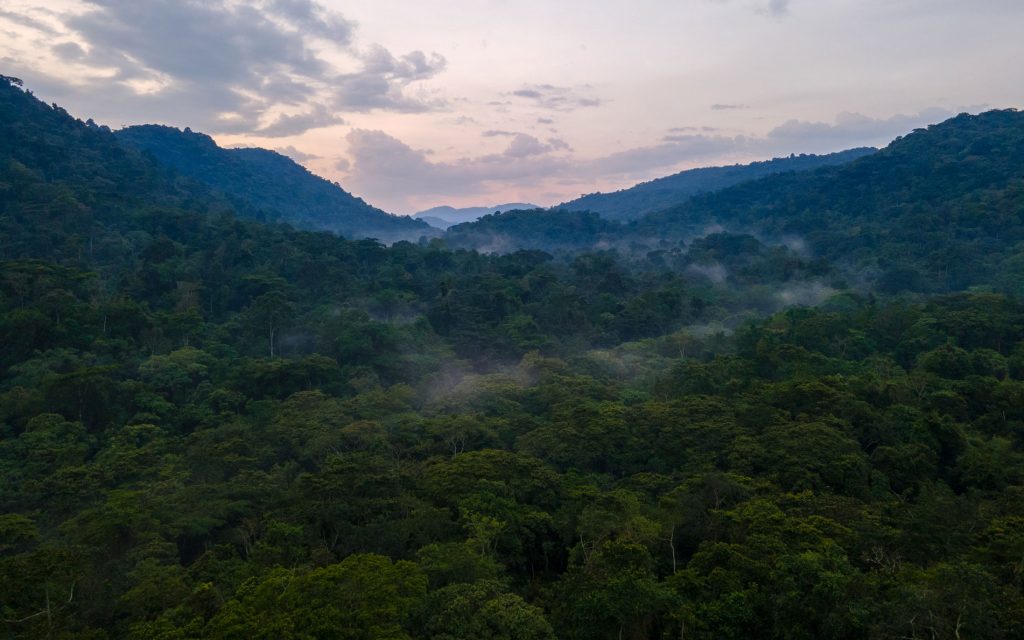
Bwindi offers different trekking sectors, including Buhoma, Ruhija, Nkuringo, and Rushaga, each providing a slightly different trekking experience in terms of scenery and crowd levels. Trekking in Bwindi is a deeply immersive experience, connecting visitors with nature in one of the most biodiverse forests in Africa.
Mgahinga Gorilla National Park
Mgahinga Gorilla National Park is a smaller, less crowded park located in southwestern Uganda near the borders with Rwanda and DR Congo. While it hosts fewer gorillas, the park offers a serene and intimate trekking experience. Mgahinga is also known for its scenic landscapes, including the Virunga Volcanoes, volcanic caves, and the opportunity to see the rare golden monkey, which is endemic to the Virunga region.
Trekking here tends to be easier than in Bwindi Impenetrable Forest due to shorter distances, but it still offers breathtaking encounters with gorillas and an incredible backdrop of volcanic mountains. Mgahinga Gorilla Park is ideal for travelers seeking a quieter, more personal gorilla trekking adventure.
Rwanda
Rwanda, known as the “Land of a Thousand Hills,” offers a gorilla trekking experience combined with rich cultural heritage and high conservation standards.
Volcanoes National Park
Volcanoes National Park in northwestern Rwanda is the country’s premier gorilla trekking destination. The park is globally renowned for its association with the famous American primatologist Dian Fossey, who devoted her life to the protection of mountain gorillas. Trekking in Volcanoes National Park offers visitors the chance to see habituated gorilla families while walking through misty volcanic slopes, bamboo forests, and lush montane vegetation.
Rwanda’s conservation efforts have been highly successful, making it one of the most reliable places to see gorillas. Trekking permits are limited, ensuring a controlled and intimate experience with these magnificent creatures. The park also offers additional activities such as golden monkey trekking, hiking dormant volcanoes, and visiting Dian Fossey’s grave and research center, adding cultural and historical depth to the wildlife adventure.
Democratic Republic of Congo (DR Congo)
DR Congo is home to Africa’s oldest national park and offers a truly adventurous gorilla trekking experience.
Virunga National Park
Virunga National Park is Africa’s first national park, established in 1925, and is one of the most remote and wild gorilla habitats on the continent. Covering over 7,800 square kilometers, the park spans savannas, volcanic mountains, glaciers, and dense rainforests. It is home to a significant population of mountain gorillas, along with other wildlife such as elephants, hippos, and the endangered okapi.
Trekking in Virunga is more challenging and less predictable than in Uganda or Rwanda, but it rewards intrepid travelers with a raw, unspoiled wilderness experience. The park has a strong conservation focus, and visiting supports ongoing efforts to protect both gorillas and local communities. Virunga is ideal for travelers seeking a rugged and adventurous encounter with gorillas in one of the most iconic national parks in Africa.