Mountain Gorillas: Distribution, Behaviour, Diet, and Conservation
Mountain gorillas are one of the world’s most endangered and fascinating primates. They live only in a small region of East Africa and are found nowhere else on Earth. These gentle giants are known for their intelligence, strong family bonds, and close genetic connection to humans. Today, mountain gorillas survive mainly because of strong conservation efforts, community involvement, and responsible tourism.
Understanding their habitat, behavior, diet, and threats helps visitors appreciate why protecting mountain gorillas is so important for biodiversity and future generations.
Distribution and Habitat of Mountain Gorillas
Mountain gorillas are found in only two isolated regions in East Africa:
- Bwindi Impenetrable National Park and Mgahinga Gorilla National Park in Uganda
- Volcanoes National Park in Rwanda and Virunga National Park in the Democratic Republic of Congo
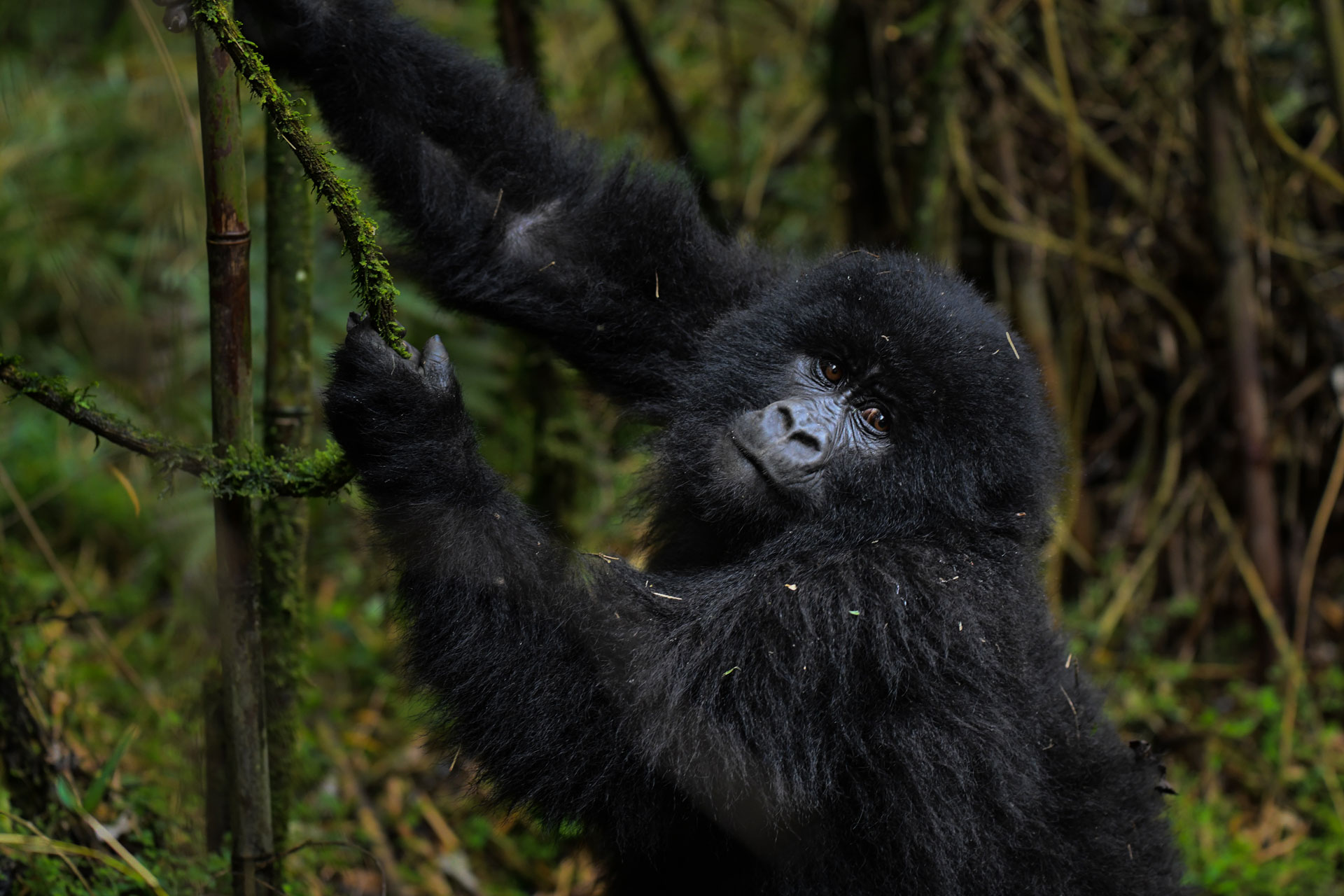
These gorillas live in high-altitude montane and bamboo forests, ranging between 2,200 and 4,300 meters above sea level. The environment is cool, misty, and receives heavy rainfall throughout the year. This type of habitat provides thick vegetation, which is essential for food, shelter, and nesting.
Mountain gorillas depend heavily on healthy forests. Any destruction of their habitat through farming, logging, or settlement directly threatens their survival. Because their population is small and limited to these few protected areas, habitat conservation is critical.
Physical Characteristics of Mountain Gorillas
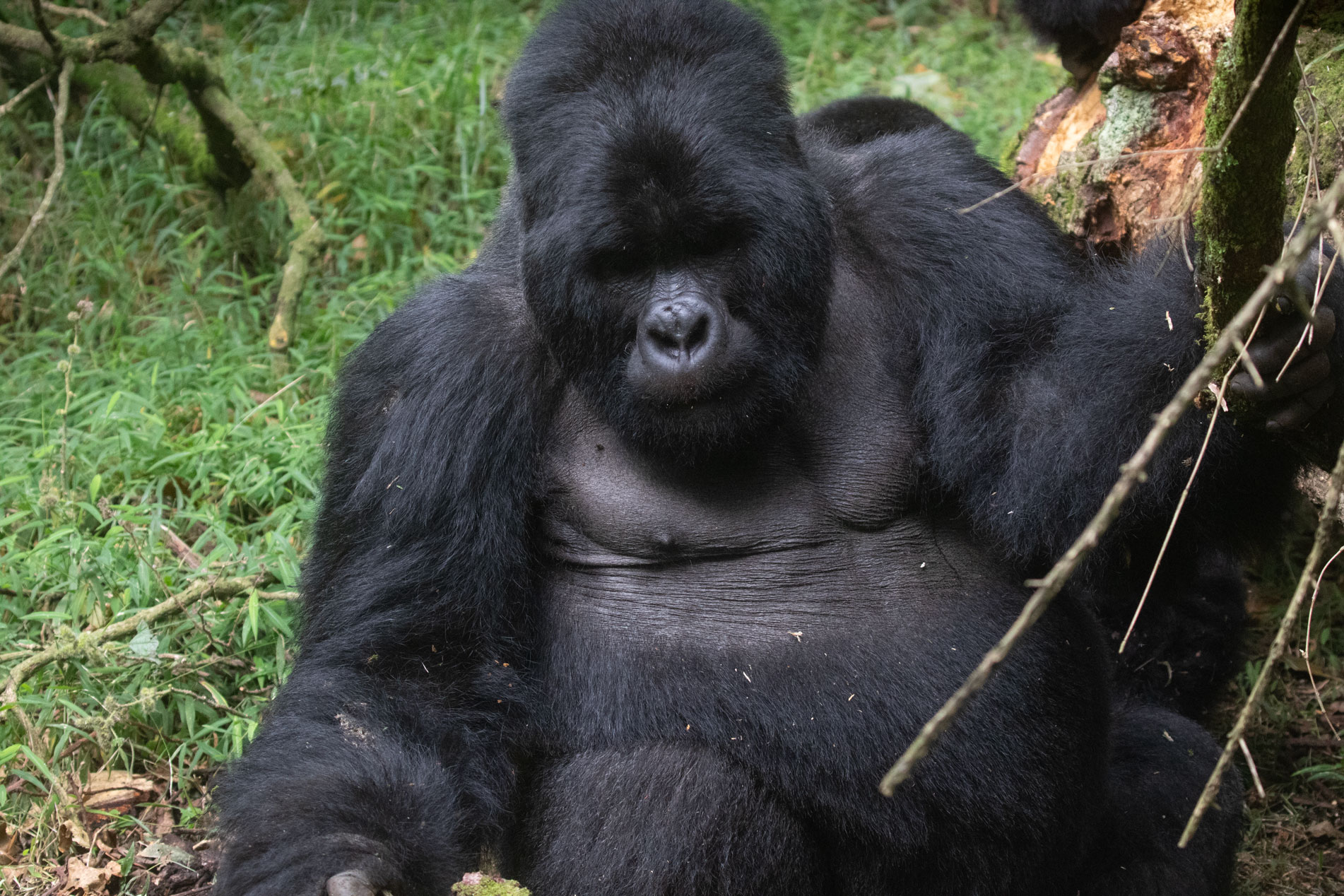
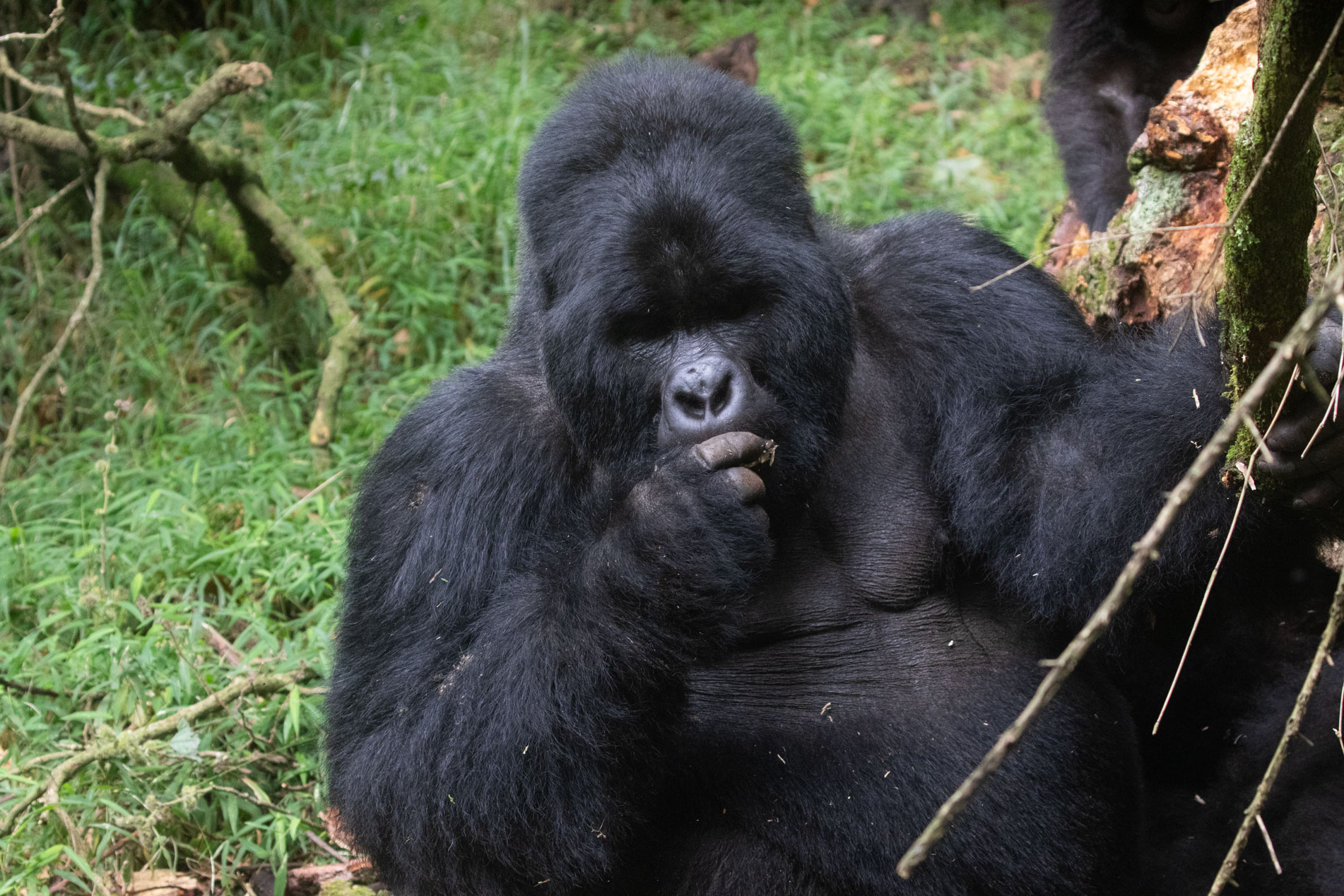
Mountain gorillas are the largest living primates in the world. Adult males, known as silverbacks, can weigh up to 220 kilograms, while females are smaller and lighter.
Their bodies are covered with long, thick black fur, which helps them survive cold temperatures in the high mountains. Silverbacks develop a distinctive silver-colored patch on their backs as they mature, which signals dominance and leadership within the group.
They have:
- Broad chests and strong arms
- Large hands and feet for climbing and walking
- Flat noses with unique nose prints, similar to human fingerprints
Their powerful appearance may seem intimidating, but mountain gorillas are generally calm, gentle, and shy unless threatened.
Social Behaviour of Mountain Gorillas
Mountain gorillas live in close-knit family groups, usually led by one dominant silverback. A group may include several females, young gorillas, and sometimes subordinate males.
The silverback plays a vital role by:
- Protecting the group from danger
- Making decisions on movement and feeding areas
- Resolving conflicts within the family
Gorillas communicate through sounds, body language, facial expressions, and gestures. One of the most famous behaviors is chest-beating, which is used to show strength, warn rivals, or establish dominance without fighting.
They are very social animals and spend much of their day grooming, playing, resting, and feeding together, which strengthens family bonds.
Diet and Feeding Habits of Mountain Gorillas
Mountain gorillas are herbivores, feeding mainly on plants found in their forest habitat. Their diet includes:
- Leaves and stems
- Bamboo shoots
- Wild celery
- Bark and roots
- Fruits (when available)
An adult gorilla can eat up to 30 kilograms of vegetation per day. Because food is usually abundant, mountain gorillas do not need to travel long distances, which helps conserve their energy.
They spend most of their daylight hours feeding and resting, followed by nest building in the evening.
Threats to Mountain Gorillas and Conservation Efforts
Mountain gorillas face several serious threats, including:
- Habitat loss due to human population growth
- Poaching and illegal wildlife activities
- Human diseases such as flu and colds
- Climate change affecting forest ecosystems
Because gorillas share 98% of their DNA with humans, they are extremely vulnerable to human illnesses. This is why visitors are required to keep distance and wear masks during gorilla trekking.
Conservation Efforts
Strong conservation actions have helped mountain gorilla numbers slowly increase. These include:
- Strict park protection and anti-poaching patrols
- Veterinary care through gorilla doctors
- Community tourism revenue sharing
- Controlled and regulated gorilla trekking
Exciting and Unique Facts About Mountain Gorillas
- Mountain gorillas hum and sing while eating, a sign of happiness and comfort
- They build a new nest every night using leaves and branches
- They use tools, such as sticks, to collect insects
- They have a highly developed sense of smell
- Chest-beating helps avoid physical fights
- They can catch human diseases, making responsible tourism essential
- They share 98% of their DNA with humans
- Females give birth only once every 4–6 years, making population growth slow
Why Mountain Gorillas Are Important for Conservation
Mountain gorillas are a keystone species, meaning they help maintain the balance of their forest ecosystem. By feeding on vegetation, they control plant growth and help spread seeds, which supports forest regeneration.
They are also a flagship species. Their global popularity attracts conservation funding and raises awareness about protecting forests and wildlife.
Benefits to Local Communities
Gorilla conservation has created jobs and income through:
- Gorilla trekking tourism
- Guiding and porter services
- Lodges and community projects
This reduces dependence on forest destruction and encourages local people to protect gorillas as a valuable resource.