
Bwindi Impenetrable National Park
Home of Mountain Gorillas
Bwindi Impenetrable National Park is one of Uganda’s most important natural treasures and one of the best places in the world to see endangered mountain gorillas in the wild. Located in southwestern Uganda, near the borders of Rwanda and the Democratic Republic of Congo, Bwindi is a UNESCO World Heritage Site famous for its ancient rainforest, rich biodiversity, and life-changing gorilla trekking experiences.
The park covers over 331 square kilometres of dense tropical forest that dates back more than 25,000 years. Its steep hills, deep valleys, and thick vegetation create a truly wild environment, making every visit feel like a real African jungle adventure.
Bwindi is home to almost half of the world’s remaining mountain gorilla population, making it the top destination for gorilla trekking in Uganda.
Mountain Gorillas in Bwindi Impenetrable Forest
Who Are the Mountain Gorillas?
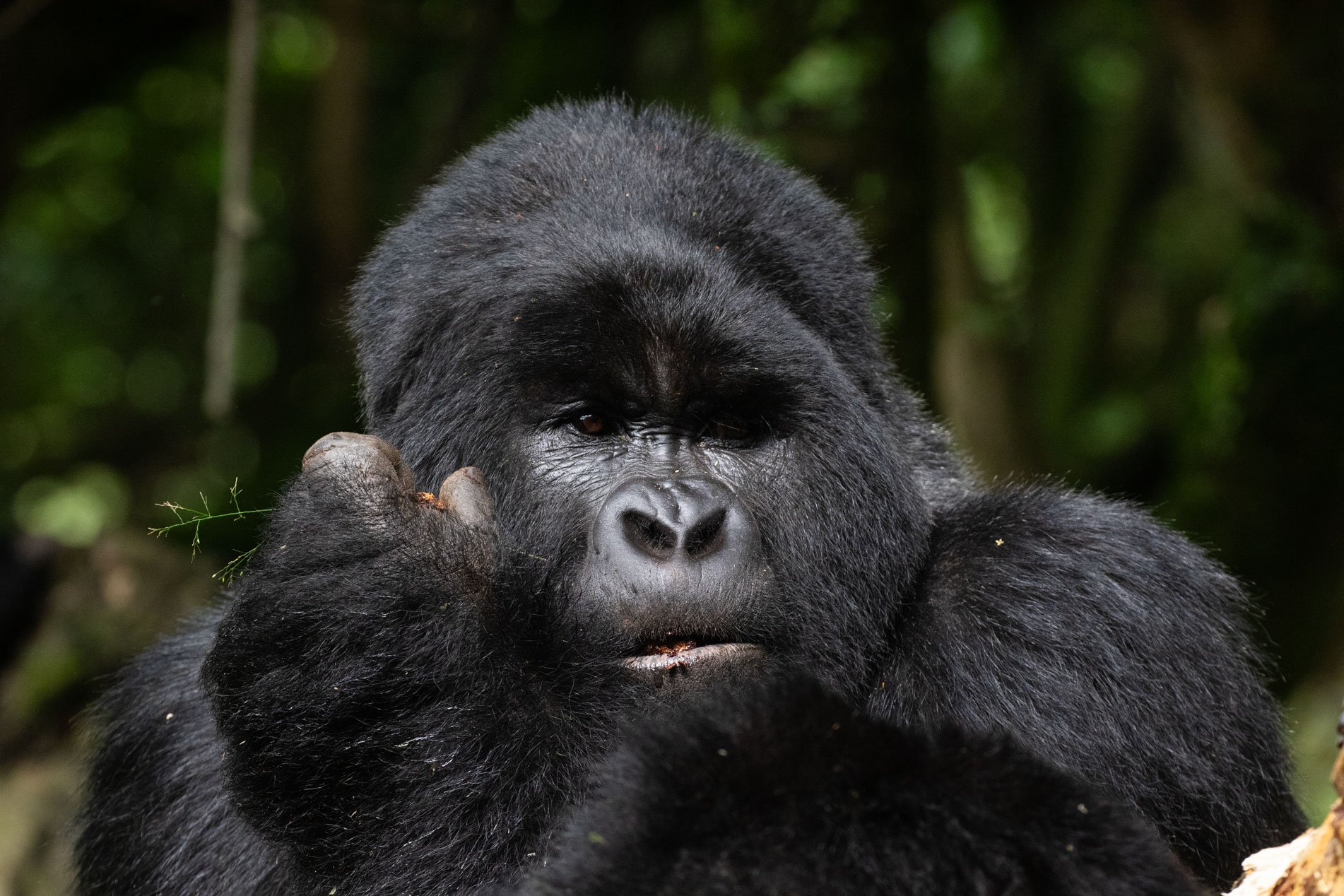
Mountain gorillas are a rare and endangered subspecies of the eastern gorilla. They live only in the high-altitude forests of Bwindi Impenetrable National Park and the Virunga Mountains. These gentle giants are known for their strong family bonds, high intelligence, and calm behaviour. An adult male, known as a silverback, can weigh up to 220 kg, while females are smaller but equally powerful. Gorillas live in family groups and communicate using sounds, facial expressions, and body language.
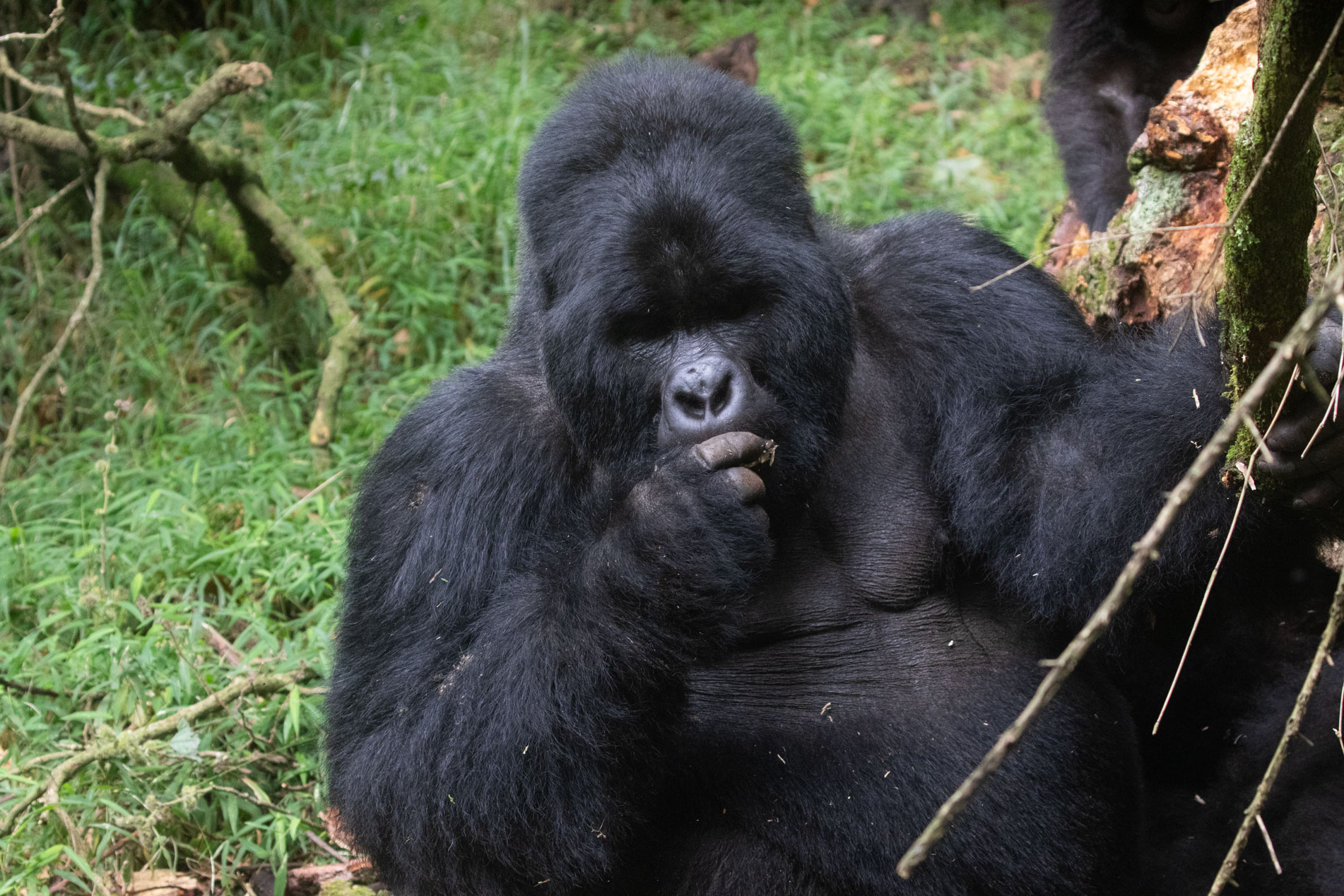
Mountain Gorilla in Bwindi Impenetrable National Park
Why Bwindi Impenetrable National Park Is Ideal for Mountain Gorillas
Bwindi provides perfect conditions for mountain gorillas due to:
- Thick forest cover for shelter
- Abundant food such as leaves, shoots, fruits, and bark
- Cool temperatures at higher altitudes
- Limited human disturbance
This stable environment has allowed gorilla families to grow and thrive under strict conservation programs.
Gorilla Behaviour and Habitat
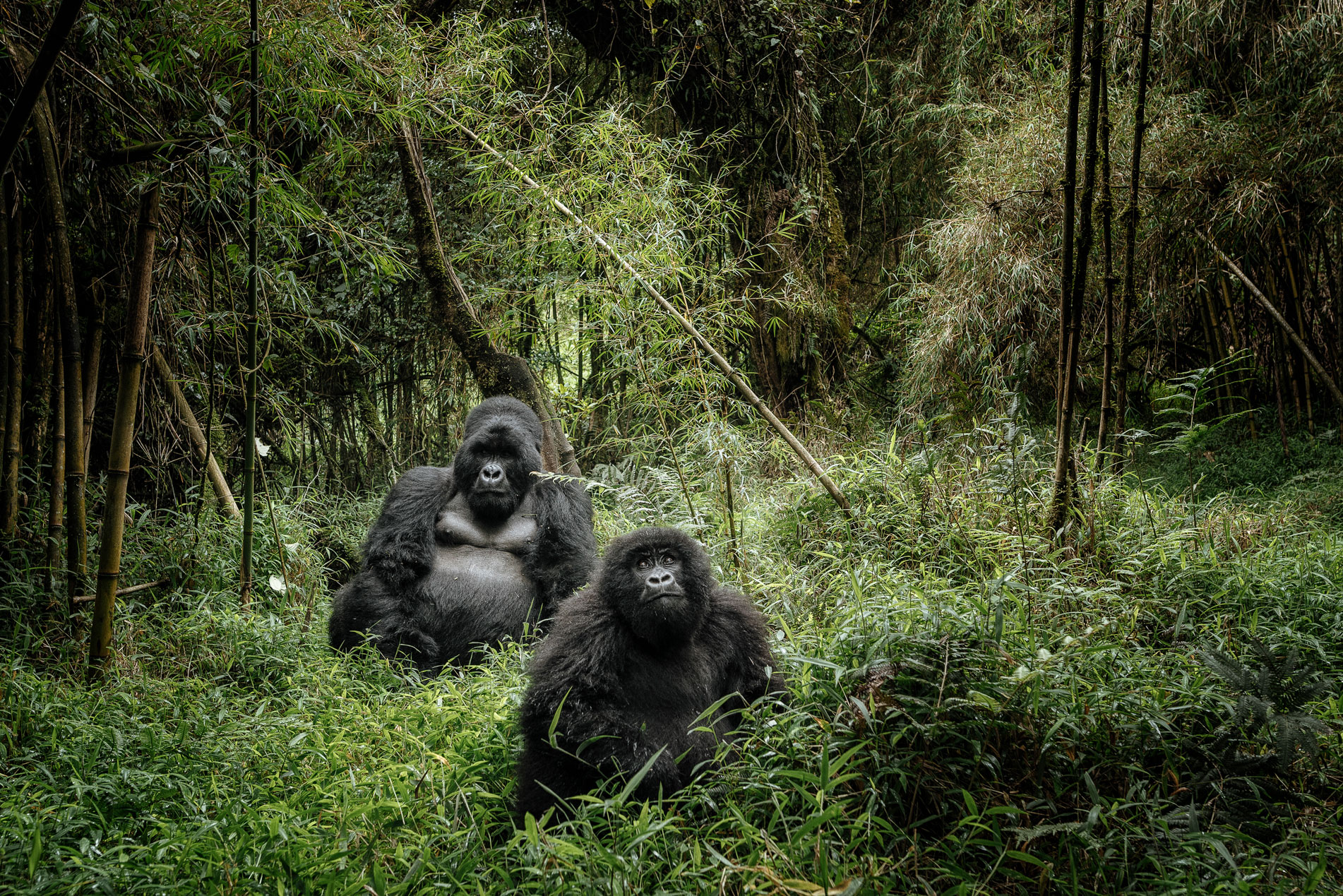
Mountain gorillas in Bwindi Impenetrable National Park are calm, intelligent, and highly social animals. They live in well-organized family groups that stay together for many years. Each group is led by a dominant silverback, an adult male gorilla with silver-colored hair on his back. The silverback is the leader, protector, and decision-maker of the group.
Social Structure of Mountain Gorillas
A typical mountain gorilla family in Bwindi is made up of:
- One or more silverbacks – The main silverback leads the group, while younger silverbacks may assist in protection.
- Adult females – These are the backbone of the group and are responsible for caring for infants.
- Young gorillas and infants – Young gorillas are playful and curious, often seen climbing trees or chasing one another.
This family structure creates strong social bonds. Gorillas communicate using sounds, facial expressions, and body movements, which helps them stay connected and peaceful within the group.
Daily Behaviour of Gorillas
Mountain gorillas follow a simple and predictable daily routine. Most of their time is spent:
- Feeding on leaves, shoots, fruits, and stems
- Resting after long feeding sessions
- Grooming each other to strengthen social bonds
- Caring for and protecting their young
Gorillas are naturally gentle and shy. They avoid conflict and only react when they feel threatened. If danger approaches, the silverback may stand tall, beat his chest, or make loud vocal sounds to warn intruders. These displays are meant to protect the family, not to attack. Physical aggression is extremely rare, especially toward humans during guided gorilla trekking.
Habitat in Bwindi Impenetrable Forest
Bwindi’s mountain gorillas live in a dense tropical rainforest that lies between 1,160 and 2,600 meters above sea level. This high-altitude environment provides:
- Thick vegetation for food and shelter
- Cool temperatures throughout the year
- Moist conditions that support plant growth
The forest’s rugged terrain and constant greenery make Bwindi a perfect natural home for mountain gorillas. The quiet, protected environment allows them to live freely while maintaining their natural behavior.
In summary, mountain gorillas in Bwindi are peaceful forest giants living in close family units within a cool and lush rainforest. Their gentle nature and strong social bonds make gorilla trekking in Bwindi a safe, respectful, and unforgettable wildlife experience.
Wildlife in Bwindi Impenetrable Forest
Bwindi is one of Africa’s most biologically diverse forests. In addition to mountain gorillas, the park is home to:
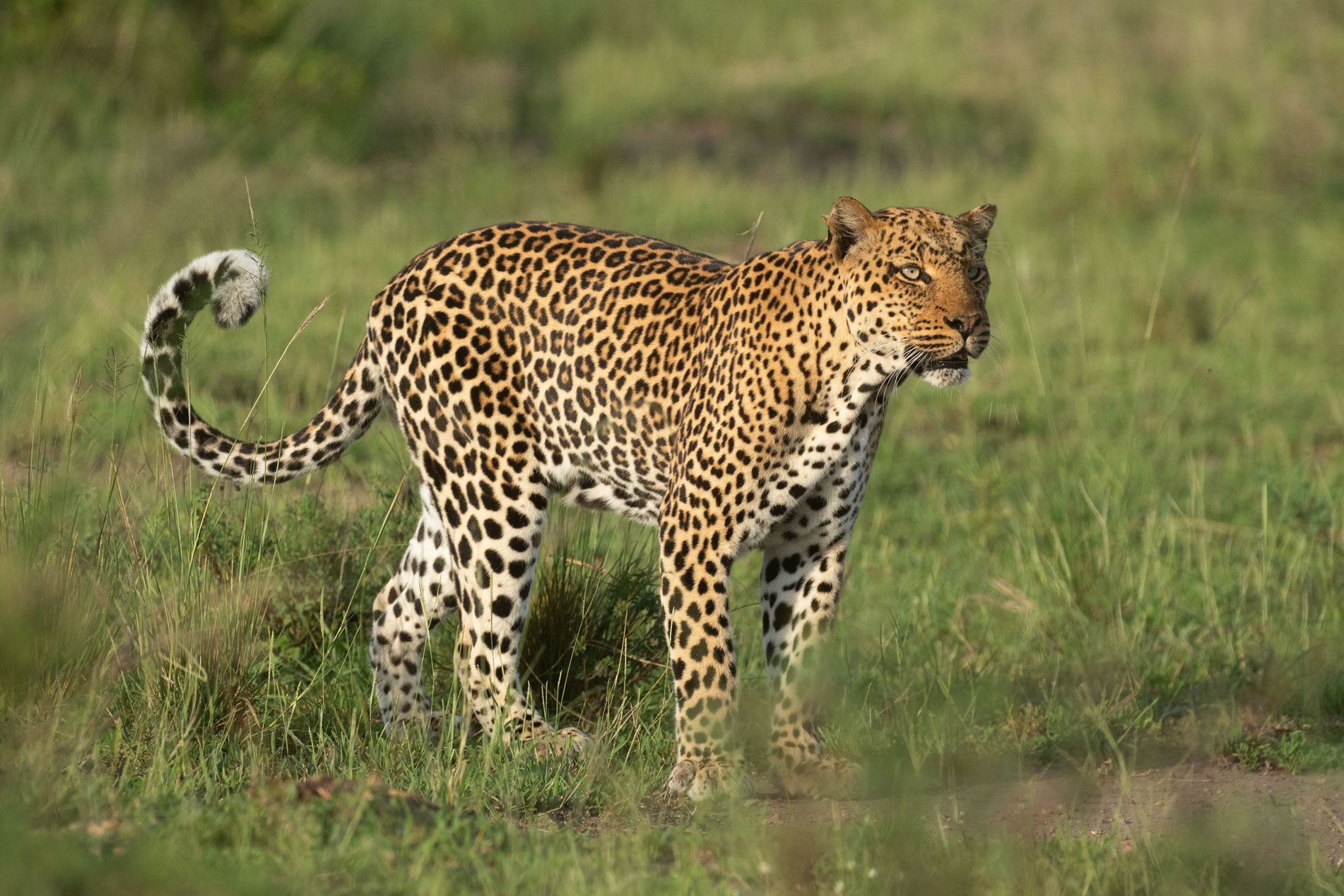
- 120 mammal species, including forest elephants, bush pigs, duikers, and primates
- 11 primate species, such as chimpanzees, L’Hoest’s monkeys, and black-and-white colobus monkeys
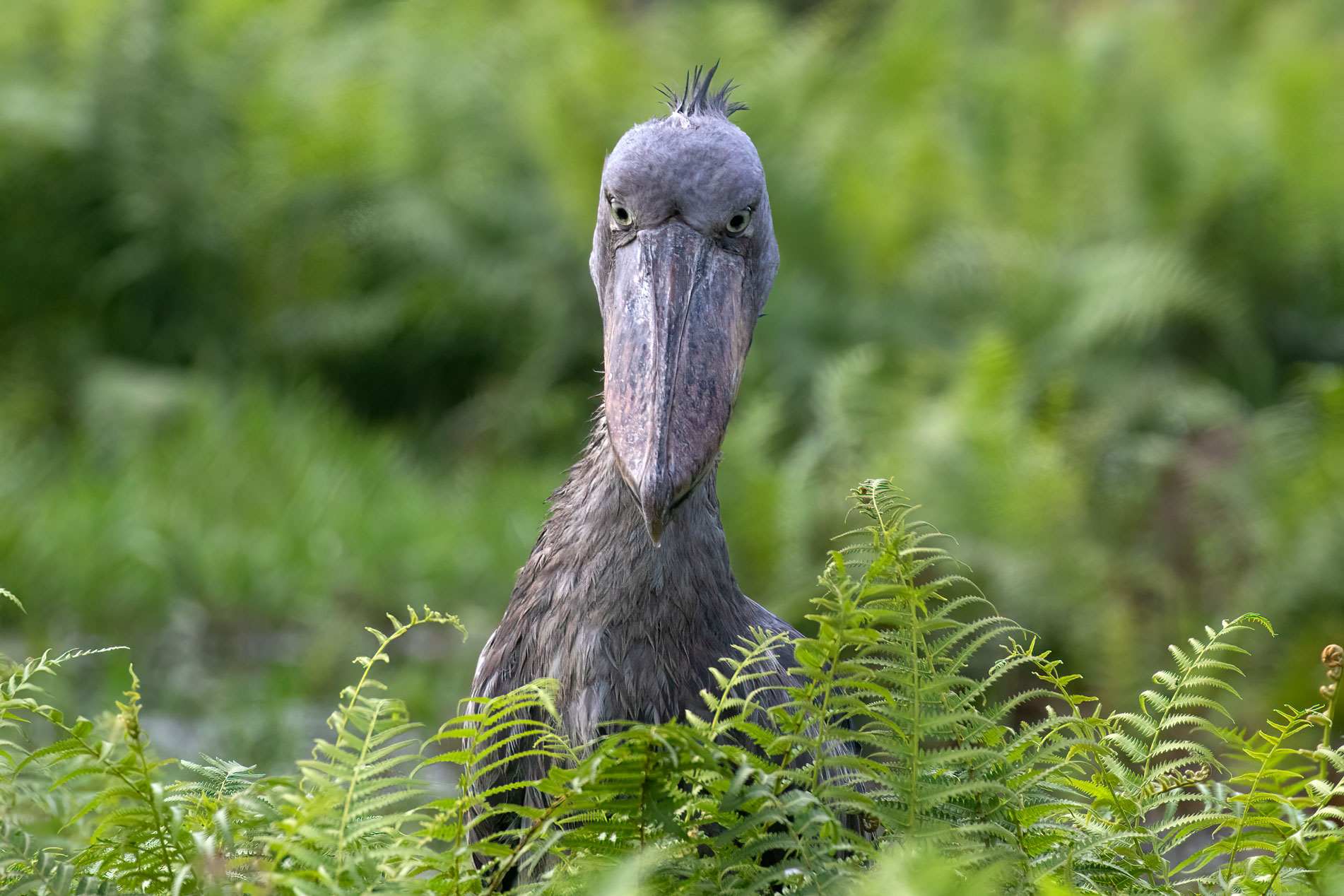
- Over 350 bird species, including Albertine Rift endemics
- 200 butterfly species and countless plant varieties
This rich wildlife makes Bwindi ideal not only for gorilla trekking but also for nature walks and birdwatching.
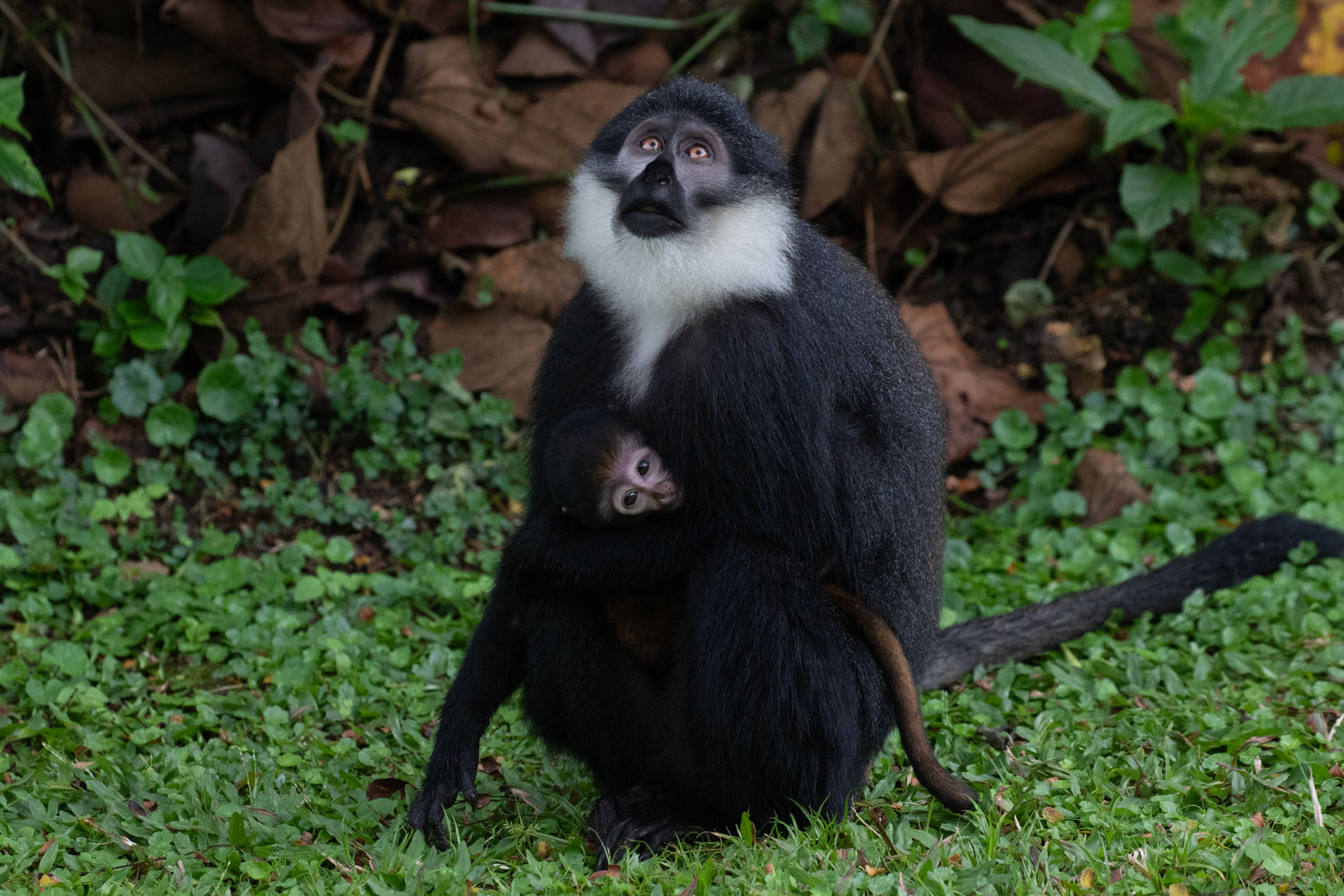
L’Hoest’s monkey in Bwindi Impenetrable National Park
Gorilla Trekking in Bwindi Impenetrable National Park
Gorilla trekking in Bwindi is a guided forest hike that leads you to a habituated gorilla family. Each trek is unique and can last between 2 to 6 hours, depending on the location of the gorillas.
Once the gorillas are found, visitors are allowed to spend one unforgettable hour observing them at close range. During this time, you may see gorillas feeding, resting, grooming, or caring for their young.
Treks are led by experienced Uganda Wildlife Authority (UWA) ranger guides, who ensure safety while sharing detailed information about the forest and gorilla behaviour.
Best Time to Visit Bwindi Impenetrable National Park
Bwindi can be visited all year round, but some months offer better trekking conditions.
Dry Seasons (Best Time)
- June to September
- December to February
During these months, forest trails are less muddy, making trekking easier and more comfortable.
Wet Seasons
- March to May
- October to November
- Rainfall is heavier, but the forest is greener, and permits may be more available. Some travellers prefer this period for photography and fewer crowds.
Best Time to Trek Gorillas in Bwindi
The early morning treks are the best, as gorillas are usually active and feeding. All treks start with a briefing at 7:30 AM, followed by group assignments and ranger guidance.
The weather can change quickly in Bwindi Impenetrable National Park, so trekking can be challenging at any time, but the reward is always worth it.
Gorilla Groups in Bwindi Impenetrable National Park
Bwindi Impenetrable National Park is one of the most important gorilla conservation areas in Africa. It is home to over half of the world’s remaining mountain gorillas, making it a top destination for gorilla trekking in Uganda. To protect these gentle giants while allowing visitors to see them, Uganda Wildlife Authority has carefully habituated more than 20 gorilla families for tourism and research.
These gorilla groups are spread across four main trekking sectors: Buhoma, Ruhija, Rushaga, and Nkuringo. Each sector offers a different trekking experience, terrain, and gorilla behavior. Understanding these groups helps travelers choose the best sector based on fitness level, interests, and travel style.
Buhoma Sector Gorilla Groups
The Buhoma Sector is the most popular and oldest gorilla trekking area in Bwindi Impenetrable National Park. It is located in the northern part of the park and was the first area opened for gorilla tourism in Uganda. Buhoma is well developed with lodges, access roads, and visitor facilities, making it ideal for first-time gorilla trekkers.
Mubare Gorilla Family
The Mubare group is the oldest habituated gorilla family in Bwindi. It has played a major role in gorilla conservation and tourism history. Although the group size has changed over time, Mubare remains significant due to its long habituation history. Trekking this group is often shorter and less demanding, making it suitable for beginners and older travelers.
Habinyanja Gorilla Family
The Habinyanja family is known for its interesting social dynamics and leadership changes. This group once split, creating another family, but it remains one of the most fascinating groups to track. The trek can be moderate, and visitors often enjoy observing the playful interactions between juveniles and adult gorillas.
Rushegura Gorilla Family
The Rushegura group is one of the most calm and relaxed gorilla families in Bwindi. It is well known for staying close to the park boundaries, which often results in shorter trekking times. Due to its peaceful nature and easy access, Rushegura is perfect for travelers who prefer a less physically demanding experience.
Ruhija Sector Gorilla Groups
The Ruhija Sector lies in the eastern part of Bwindi Impenetrable National Park and sits at a higher altitude, offering cooler temperatures and scenic views. This sector is quieter and less crowded, making it ideal for travelers seeking a peaceful trekking experience. Ruhija is also one of the best birdwatching areas in Uganda, with many Albertine Rift endemic species.
Bitukura Gorilla Family
The Bitukura family is well organized and stable, known for its strong group structure. The trek to this group usually passes through beautiful forest trails, and the gorillas are often found feeding or resting calmly. Bitukura is a favorite for photographers due to its balanced group size and relaxed behavior.
Oruzogo Gorilla Family
The Oruzogo group is famous for its playful juveniles and active behavior. This family is energetic and fun to observe, especially when young gorillas are interacting. The trek may be slightly challenging, but the experience is highly rewarding, especially for visitors who enjoy lively wildlife encounters.
Rushaga Sector Gorilla Groups
The Rushaga Sector, located in the southern part of Bwindi, has the largest number of habituated gorilla families. This makes it the most flexible sector in terms of permit availability. Rushaga also offers both standard gorilla trekking and gorilla habituation experiences, allowing visitors to spend more time with gorillas.
Nshongi Gorilla Family
The Nshongi family was once the largest gorilla group ever habituated in Bwindi. Although it later split into smaller groups, it remains historically important. The group is well known for its complex social structure and wide-ranging movements within the forest.
Mishaya Gorilla Family
The Mishaya group split from the Nshongi family and is led by a dominant silverback known for his strength and leadership. Trekking this group can be more demanding, but it offers deep insight into gorilla hierarchy and behavior.
Kahungye Gorilla Family
The Kahungye family is a medium-sized group known for its playful young gorillas. The name “Kahungye” comes from a local hill, reflecting the group’s original home range. The trek is moderate, and sightings are usually very rewarding.
Busingye Gorilla Family
The Busingye group is led by a powerful silverback whose name means “peace.” Despite the name, he is known for his firm leadership style. This group offers a good balance of trekking challenge and close gorilla encounters.
Nkuringo Sector Gorilla Groups
The Nkuringo Sector is located in the southwestern part of Bwindi Impenetrable National Park and is known for its steep terrain and challenging hikes. This sector is best suited for adventurous travelers and physically fit visitors who enjoy a more demanding trek.
Nkuringo Gorilla Family
The Nkuringo family is one of the most famous groups in Bwindi. It was among the first groups habituated in the southern sector. The trek can be steep and physically demanding, but the reward is an intimate and memorable gorilla encounter with breathtaking forest views.
Bushaho Gorilla Family
- The Bushaho group split from the Nkuringo family and has grown into a stable group of its own. Trekking this family often involves longer hikes, but visitors are rewarded with extended viewing time and close observations of gorilla social behavior.
Each group has its own unique behaviour, size, and trekking difficulty.
Bwindi Impenetrable National Park Gorilla Permits and Costs
A gorilla trekking permit is required for all visitors.
Gorilla Permit Cost
- USD 800 per person (Foreign Non-Residents)
- USD 700 (Foreign Residents)
- UGX 300,000 (East African Citizens)
The Gorilla permit includes:
- Park entry fees
- Ranger guide services
- One hour with gorillas
- Conservation contribution
Permits should be booked well in advance, especially during peak seasons.
Gorilla Trekking Experience – What to Expect
The trekking experience begins with a briefing, followed by a guided hike through thick forest trails. The terrain can be steep and slippery, but porters are available to assist.
Meeting the gorillas is an emotional and unforgettable moment. Watching them in their natural habitat creates a deep connection with nature and supports conservation efforts.
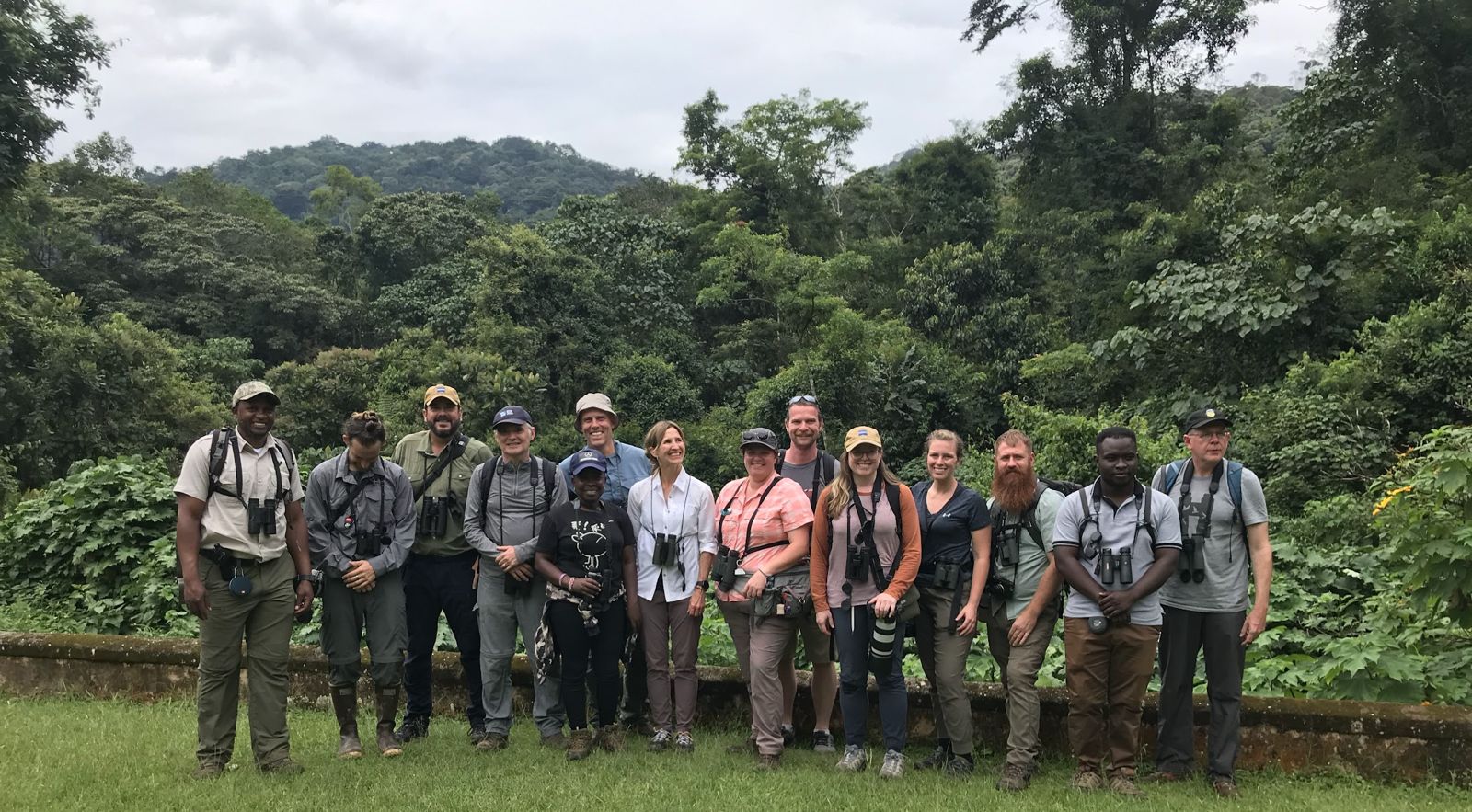
Gorilla Trekking Crew in Bwindi Impenetrable National Park
Safari Activities in Bwindi Impenetrable National Park
Bwindi Impenetrable National Park is one of Africa’s most remarkable rainforest destinations. Located in southwestern Uganda, this UNESCO World Heritage Site is famous for its ancient forest, rich biodiversity, and life-changing wildlife experiences. A visit to Bwindi is not just about seeing animals; it is about connecting with nature, people, and conservation. Below are the main trip activities that make Bwindi a truly unforgettable destination.
1. Mountain Gorilla Trekking Experience
Mountain gorilla trekking is the highlight activity in Bwindi Impenetrable National Park and one of the most powerful wildlife encounters in the world. Bwindi is home to nearly half of the world’s remaining mountain gorillas, making it the best place to see them in their natural habitat.
The experience begins early in the morning with a briefing by Uganda Wildlife Authority rangers. Visitors are assigned to a habituated gorilla family and guided through the dense forest by experienced trackers. The trek can take between 1 to 6 hours, depending on the movement of the gorillas and the terrain.
When you finally meet the gorillas, you are allowed one full hour to observe them at close range. You may see mothers caring for their young, juveniles playing, or the dominant silverback calmly watching over the group. This moment is emotional, educational, and deeply humbling.
Gorilla trekking in Bwindi directly supports conservation and local communities. Permit fees help protect the gorillas and improve livelihoods around the park, making your visit meaningful beyond tourism.
2. Guided Forest Nature Walks
Guided forest nature walks in Bwindi offer a slower and more immersive way to explore the park’s rich ecosystem. These walks are led by knowledgeable local guides or park rangers who understand the forest in great detail.
During the walk, visitors learn about medicinal plants, ancient trees, forest insects, and animal tracks. Bwindi is one of the oldest rainforests in Africa, estimated to be over 25,000 years old, and walking through it feels like stepping into a living museum.
Nature walks are suitable for travelers who enjoy peaceful exploration, photography, and learning about rainforest ecology. Popular trails include waterfalls, rivers, and viewpoints overlooking the forest canopy and surrounding hills.
This activity is ideal for all fitness levels and can be done as a short walk or a longer hike, depending on interest and time.
3. Birdwatching Experiences
Bwindi Impenetrable National Park is a birdwatcher’s paradise, hosting over 350 bird species, including many Albertine Rift endemics found nowhere else in the world.
Birdwatching in Bwindi is rewarding because of the park’s diverse habitats, ranging from lowland forest to montane zones. Guided birding walks start early in the morning when bird activity is highest. Expert bird guides help spot and identify rare species by sight and sound.
Notable birds include the African green broadbill, Shelley’s crimsonwing, handsome francolin, and many colorful sunbirds and turacos. Even non-birders often enjoy this experience due to the beauty and variety of species.
This activity is perfect for nature lovers, photographers, and travelers seeking a quiet and enriching forest experience.
4. Community and Cultural Visits
Community and cultural visits around Bwindi provide a meaningful connection to the people who live near the park. These experiences allow visitors to understand how conservation and community life work together.
Popular visits include interactions with the Batwa community, the original forest dwellers of Bwindi. Through guided cultural experiences, visitors learn about traditional hunting methods, forest survival skills, music, dance, and storytelling.
Other community tours include village walks, local craft markets, coffee experiences, and visits to schools or women’s groups. These activities give travelers a chance to support local livelihoods directly and see daily life beyond the forest.
Cultural visits add depth to a Bwindi safari, turning the trip into a shared human experience rather than just wildlife viewing.
5. Photography and Wildlife Observation
Bwindi Impenetrable National Park offers endless opportunities for scenic photography and wildlife observation. The park’s misty forest, rolling hills, and dramatic valleys create stunning natural scenery throughout the day.
Photographers can capture landscapes, close-up forest details, birds, butterflies, and primates such as monkeys and forest elephants. Early mornings and late afternoons are especially beautiful, with soft light filtering through the forest canopy.
Wildlife observation is not limited to gorillas. Bwindi is home to chimpanzees (rarely seen), colobus monkeys, L’Hoest’s monkeys, duikers, and over 200 butterfly species. Simply sitting quietly on a forest trail can reveal surprising wildlife moments.
This activity is perfect for travelers who enjoy slow travel, nature appreciation, and storytelling through images.
Bwindi Impenetrable Gorilla Trekking Packages 2026 - 2027
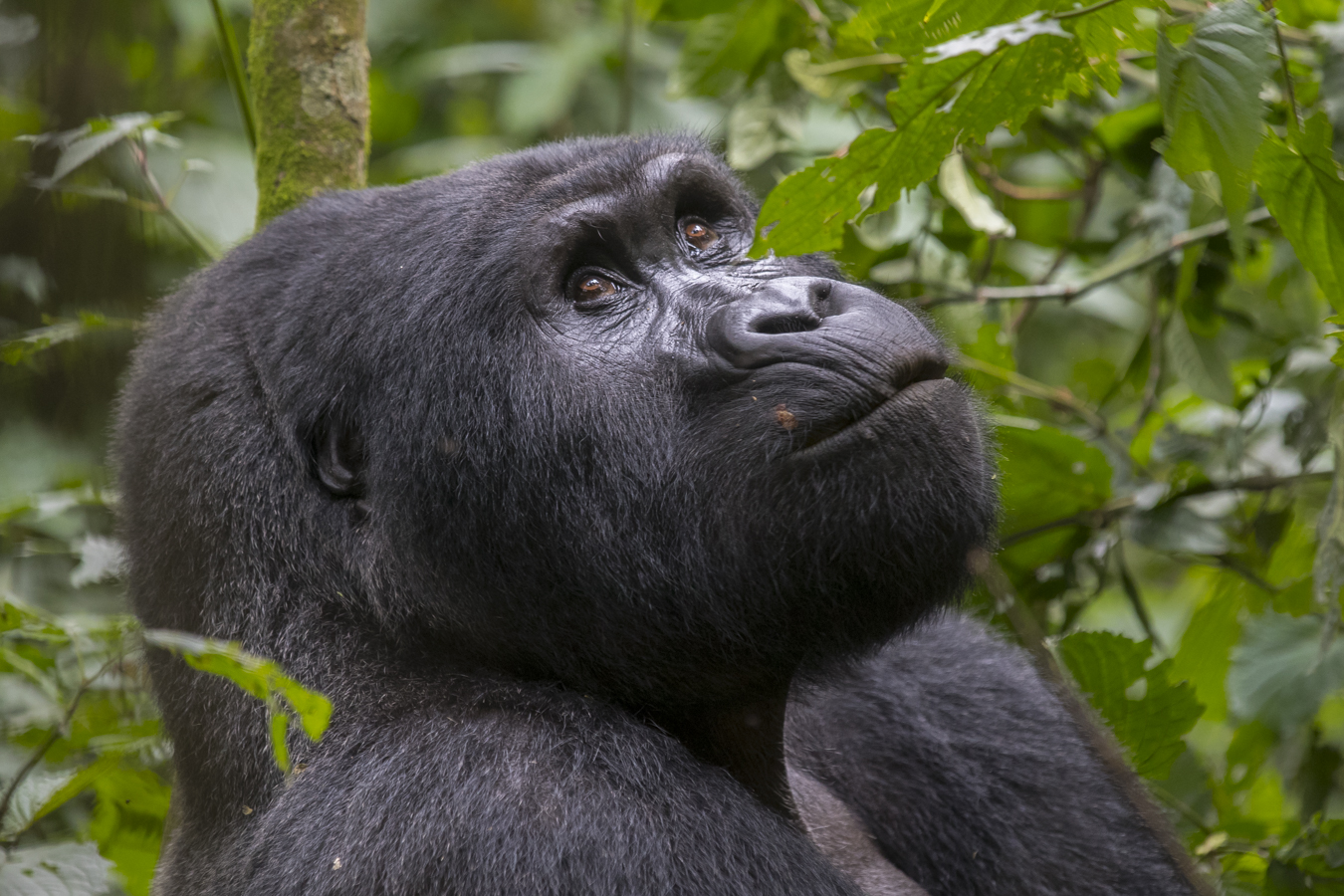

Bwindi Impenetrable National Park – Gorilla Trekking FAQs
Where is the best place to see mountain gorillas in Uganda?
Bwindi Impenetrable National Park is the best and most popular place to see mountain gorillas in Uganda. The park is home to almost half of the world’s remaining mountain gorilla population, making it one of the most important conservation areas in Africa. Bwindi has several trekking sectors—Buhoma, Ruhija, Rushaga, and Nkuringo—each offering well-organised gorilla trekking experiences. Unlike other parks, Bwindi has many habituated gorilla families, which increases your chances of a successful trek.
How much is gorilla trekking in Bwindi?
The cost of a gorilla trekking permit in Bwindi Impenetrable National Park depends on your residency status:
- Foreign Non-Residents: USD 800 per person
- Foreign Residents: USD 700 per person
- East African Citizens: UGX 300,000 per person
The permit fee includes:
- One hour with a mountain gorilla family
- Park entry fees
- Services of professional ranger guides
- Support for gorilla conservation and local communities
Permits are issued by the Uganda Wildlife Authority (UWA) and are mandatory for anyone trekking gorillas.
How many gorillas are in Bwindi Impenetrable National Park?
Bwindi Impenetrable National Park is home to over 450 mountain gorillas, which is nearly half of the global mountain gorilla population.
The park has more than 20 habituated gorilla families that are open for tourism, as well as several others reserved for research and conservation. This large population makes Bwindi the most reliable destination for gorilla trekking in Uganda.
Is it safe to visit Bwindi Impenetrable National Park?
Yes, Bwindi Impenetrable National Park is very safe to visit.
Security in and around the park is well managed by the Uganda Wildlife Authority, tourism police, and local community guides. Gorilla trekking activities are led by highly trained rangers who are armed and experienced in forest safety. The gorillas you visit are habituated to human presence, which makes encounters calm and controlled.
How difficult is gorilla trekking in Bwindi?
Gorilla trekking in Bwindi can be moderate to challenging, depending on:
- The trekking sector
- The location of the gorilla family
- Weather conditions
- Your physical fitness level
Bwindi is a mountainous and densely forested park, with steep slopes and uneven trails. Some treks may last 2 to 6 hours, including time spent hiking up and down hills. A moderate level of fitness is recommended, but porters are available to help carry bags and assist visitors during difficult sections.
How long do you spend with the gorillas?
Visitors are allowed exactly one hour with a mountain gorilla family.
This rule helps reduce stress on the gorillas and protects their natural behaviour. During this hour, you can observe gorillas feeding, playing, resting, and interacting with each other. Photography is allowed, but flash cameras are strictly prohibited.
How early should I book a gorilla permit?
It is highly recommended to book your gorilla permit at least 3 to 6 months in advance, especially if you plan to travel during peak seasons.
Permits are limited to 8 visitors per gorilla family per day, and demand is very high. Early booking ensures availability and allows better planning of accommodation and transport.
What is the minimum age for gorilla trekking in Bwindi?
The minimum age for gorilla trekking in Bwindi is 15 years.
This rule ensures safety and helps protect gorillas from health risks.
Can I do gorilla trekking as a day trip?
Gorilla trekking is not recommended as a day trip due to early start times and remote locations. Most visitors stay at least one night near their trekking sector to ensure a smooth and stress-free experience.
Copyright © 2026 Explore Virunga Gorillas - Brand By Robylinks Solutions